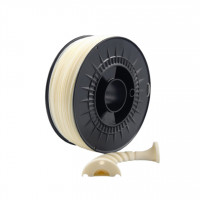
ASA and ABS are two styrenic materials with very similar properties, but with one crucial difference: UV resistance. If you have to mould parts for outdoor use, the choice between the two is not trivial. In this comparison, we analyse the real differences and help you decide.
Comparison table
|
Properties |
ASA |
ABS |
|
Extruder temperature |
240-260 °C |
230-260 °C |
|
Platen temperature |
90-110 °C |
90-110 °C |
|
Closed chamber |
Strongly recommended |
Strongly recommended |
|
UV resistance |
Excellent |
Poor |
|
Impact resistance |
Good |
Good |
|
Rigidity |
High |
High |
|
Thermal resistance |
~100 °C |
~100 °C |
|
Warping |
Moderate |
High |
|
Post-processing acetone |
Yes |
Yes |
|
Odour in print |
Moderate |
Strong |
|
Colour variety |
Good |
Wide |
|
Cost |
Slightly higher |
Standard |
ASA: the material for outdoors
ASA (acrylonitrile styrene acrylate) was specifically developed as an alternative to ABS for applications exposed to the elements. Acrylate replaces the butadiene in ABS, offering excellent UV resistance (does not yellow or degrade in the sun), resistance to weathering (rain, humidity, temperature changes), warping slightly lower than ABS, and less aggressive odour during printing.
Ideal applications: covers and shells for outdoor electronics, supports and brackets for outdoor sensors, vehicle and drone parts, signage and garden accessories, and any part that will be exposed to direct sunlight.
ABS: the industrial classic
ABS (acrylonitrile butadiene styrene) is the material from which LEGO bricks and thousands of consumer products are made. It offers excellent mechanical and thermal resistance, easy post-processing with acetone vapour (chemical smoothing that eliminates the lines of layer), wide availability of colours, and lower cost than ASA.
Ideal applications: technical parts for interior use, shells and enclosures, functional prototypes, components subjected to high temperatures (near engines, heaters), and any part that benefits from sanding with acetone.
The simple rule
If the part will be exposed to the sun: choose ASA. If the part will be indoors: ABS offers the same performance at a lower cost. If you have to do acetone smoothing: both work, but ABS has more documentation and experience.
Printing tips (valid for both)
Closed chamber necessary to reduce warping and cracking. Plate at 90-110 °C with adhesive (ABS juice or glue stick). Cooling fan at minimum or switched off. Good room ventilation: both emit unpleasant fumes (ABS more than ASA). Printing with brim to improve adhesion on parts with a small footprint.
ASA and ABS at DHM-online
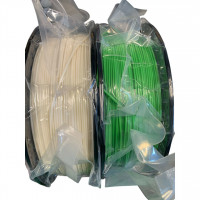
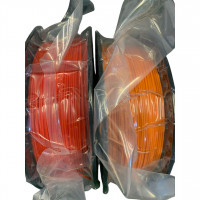
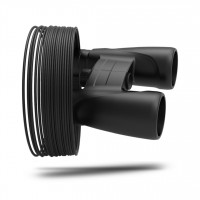
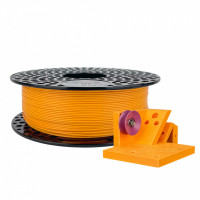
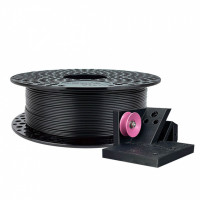
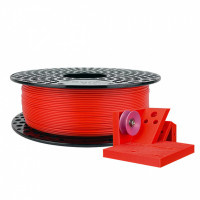
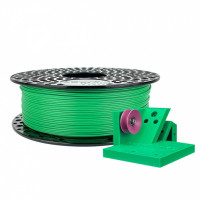
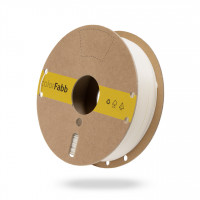
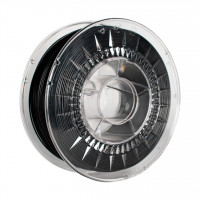
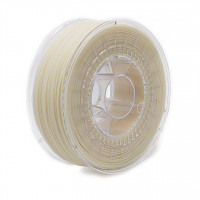
At DHM-online you will find ASA and ABS filaments from top manufacturers, including AzureFilm, Formfutura and others. Available in numerous colours and in the standard 1.75 mm diameter. Browse the Filaments section to find the colour and brand of your choice.