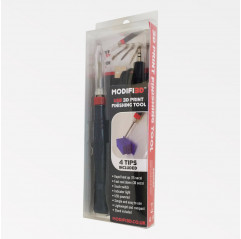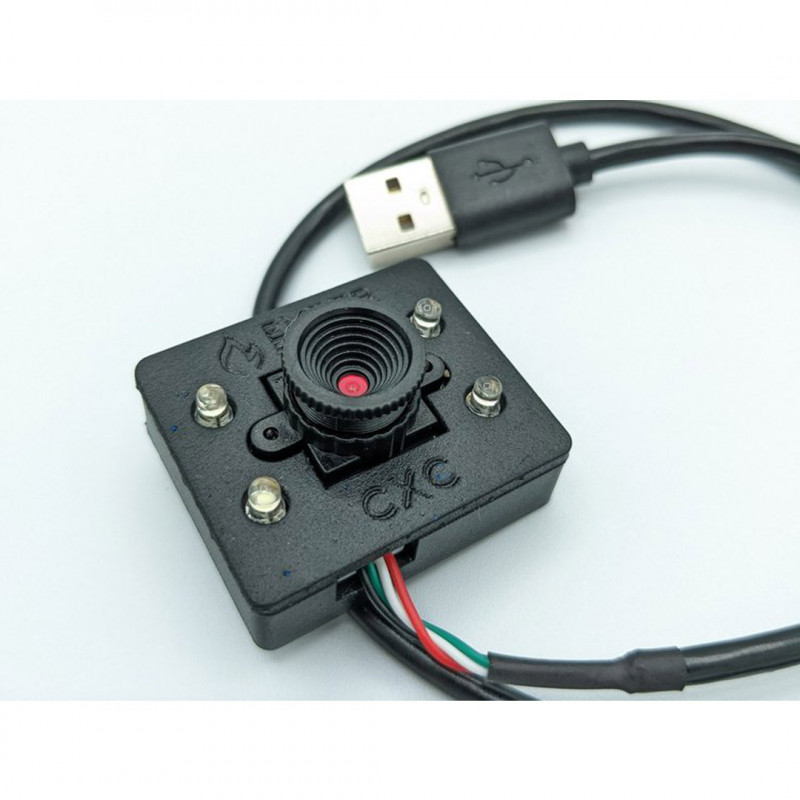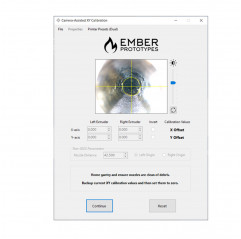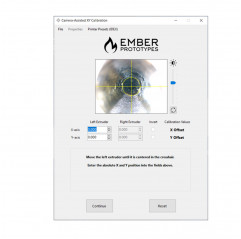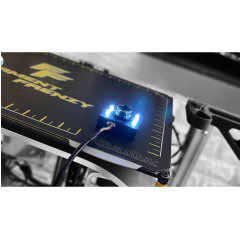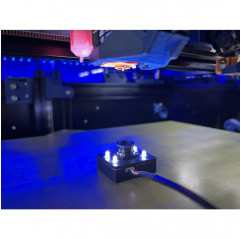
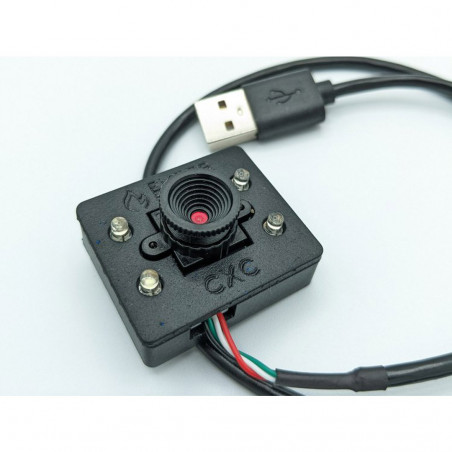
The Camera Assisted XY Calibration Tool (CXC) is a small, innovative device designed to ensure accurate XY axis alignment and calibration on dual extruder, IDEX, and tool-changing 3D printers without the need to print line models.
It combines advanced optical technology with an intuitive user interface to deliver unparalleled accuracy and efficiency.
Key Features:
High-Resolution Imaging: Equipped with a high-definition camera, the CXC captures detailed images of XY axes in real time, enabling meticulous analysis and adjustment.
Precision Measurement: Uses sophisticated image processing algorithms to measure deviations in micrometers, ensuring alignment to exact specifications.
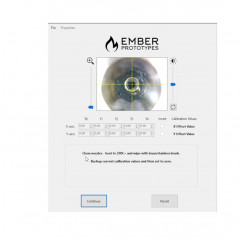
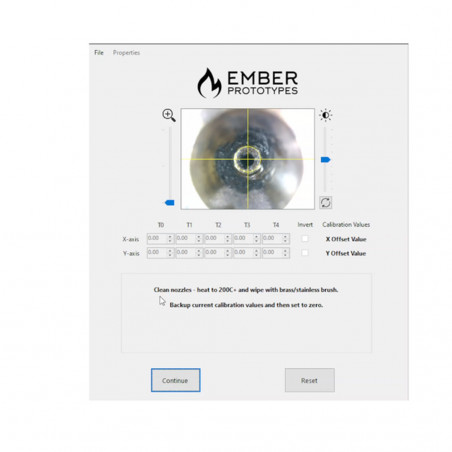
Intuitive User Interface: Intuitive software interface provides clear visual feedback and step-by-step guidance for calibration procedures, making it accessible for both novice and experienced users.
Versatile Compatibility: Compatible with a wide range of XY systems in different industries, including manufacturing, robotics, biomedical research, and more.
Remote Monitoring and Control: Enables remote monitoring and adjustment of XY axes via network connectivity, facilitating efficient calibration processes from any location.
Real-Time Feedback: Provides real-time information. Can be installed on any printer and calibration takes less than 5 minutes.
Package contains: 1 x Camera-Assisted XY Calibration Tool (CXC)

The item you receive may differ in some features from the one depicted in the photo, depending on the production batch. Despite this, functionality is maintained.
Come scelgo la lunghezza corretta di una vite per un profilo in alluminio?
È necessario calcolare lo spessore dell'accessorio da fissare, aggiungere lo spessore della piastra (se presente) e la profondità utile della cava del profilo (solitamente 5-6mm per la serie 20). Una vite troppo lunga toccherà il fondo della cava prima di aver serrato il pezzo, mentre una troppo corta potrebbe strappare il filetto del dado.
Cosa sono i grani di fissaggio e dove si usano?
I grani sono viti senza testa che vengono avvitate completamente all'interno di un foro filettato. Sono essenziali per bloccare componenti rotanti (come pulegge, ingranaggi o giunti) sugli alberi motore, evitando che scivolino durante il movimento.