
Worldwide express shipping
Worldwide express shipping

Volume discounts
| Quantity | Price |
|---|---|
| 2 | €26.31 |
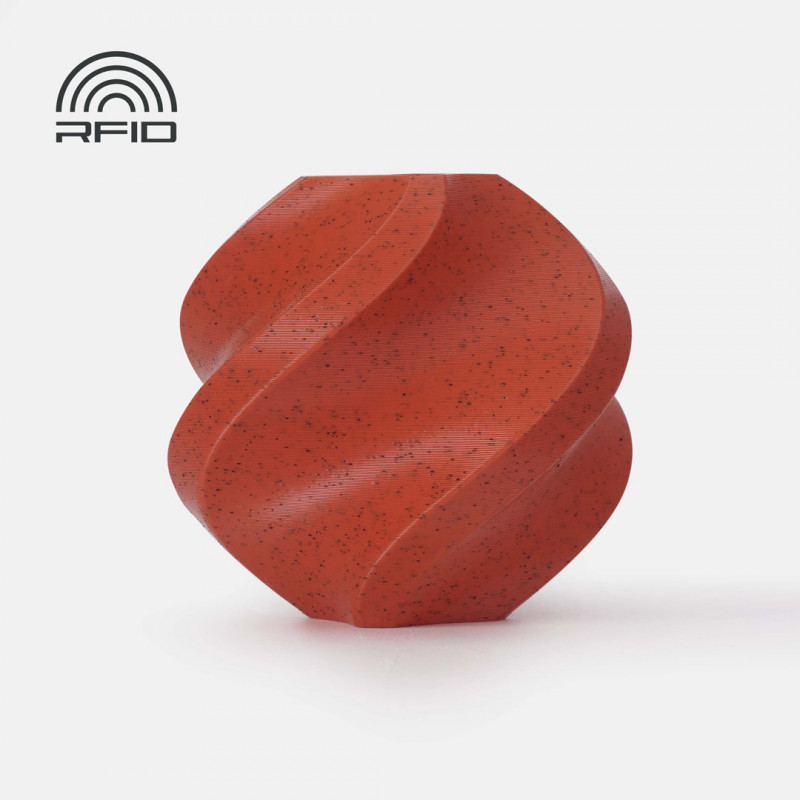
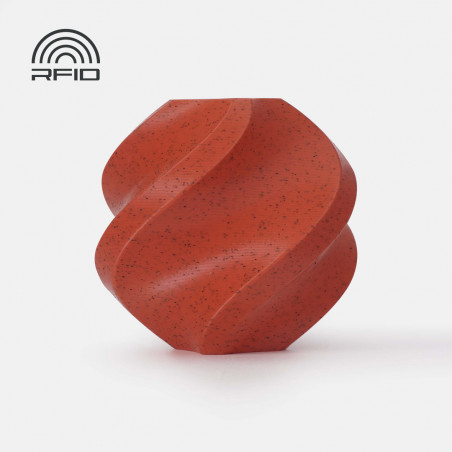
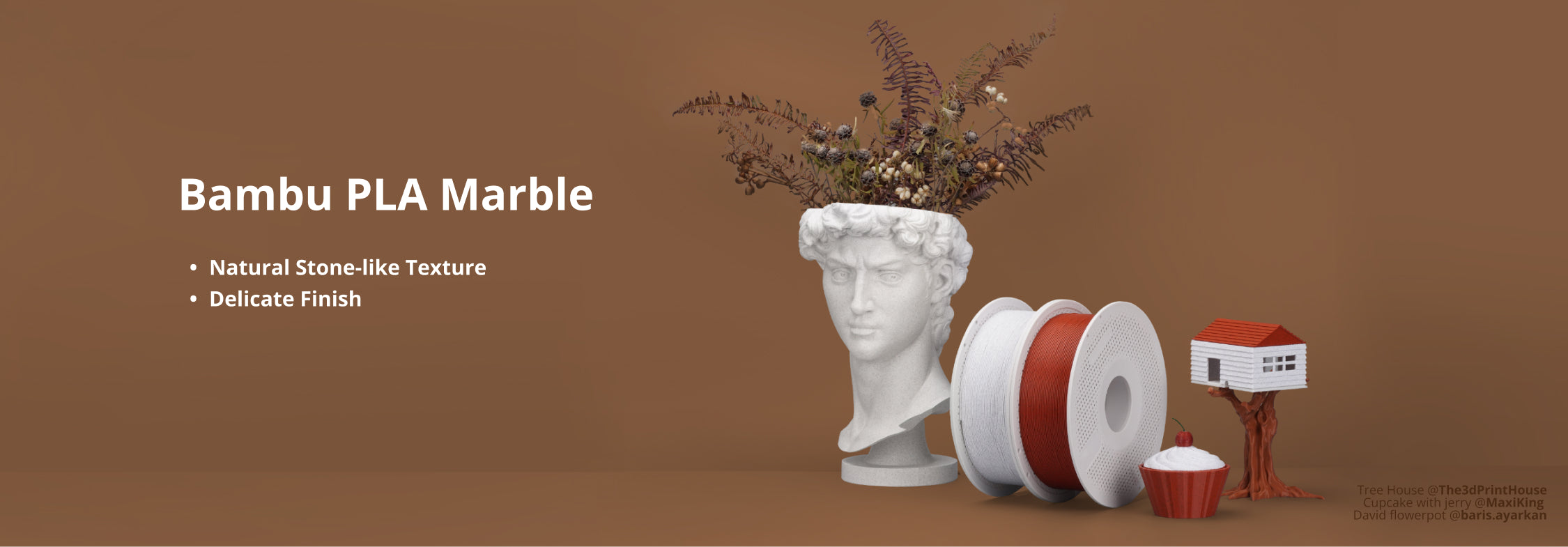
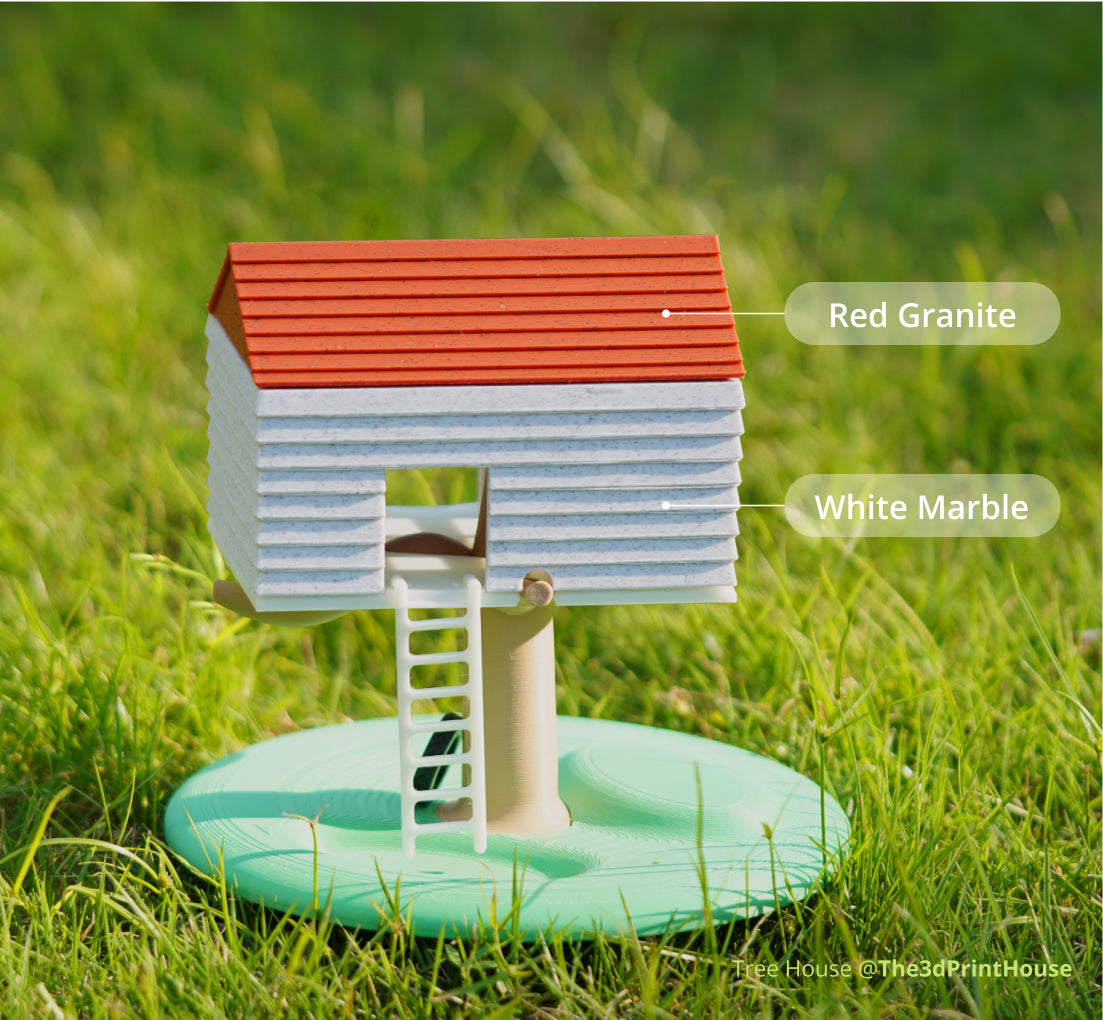
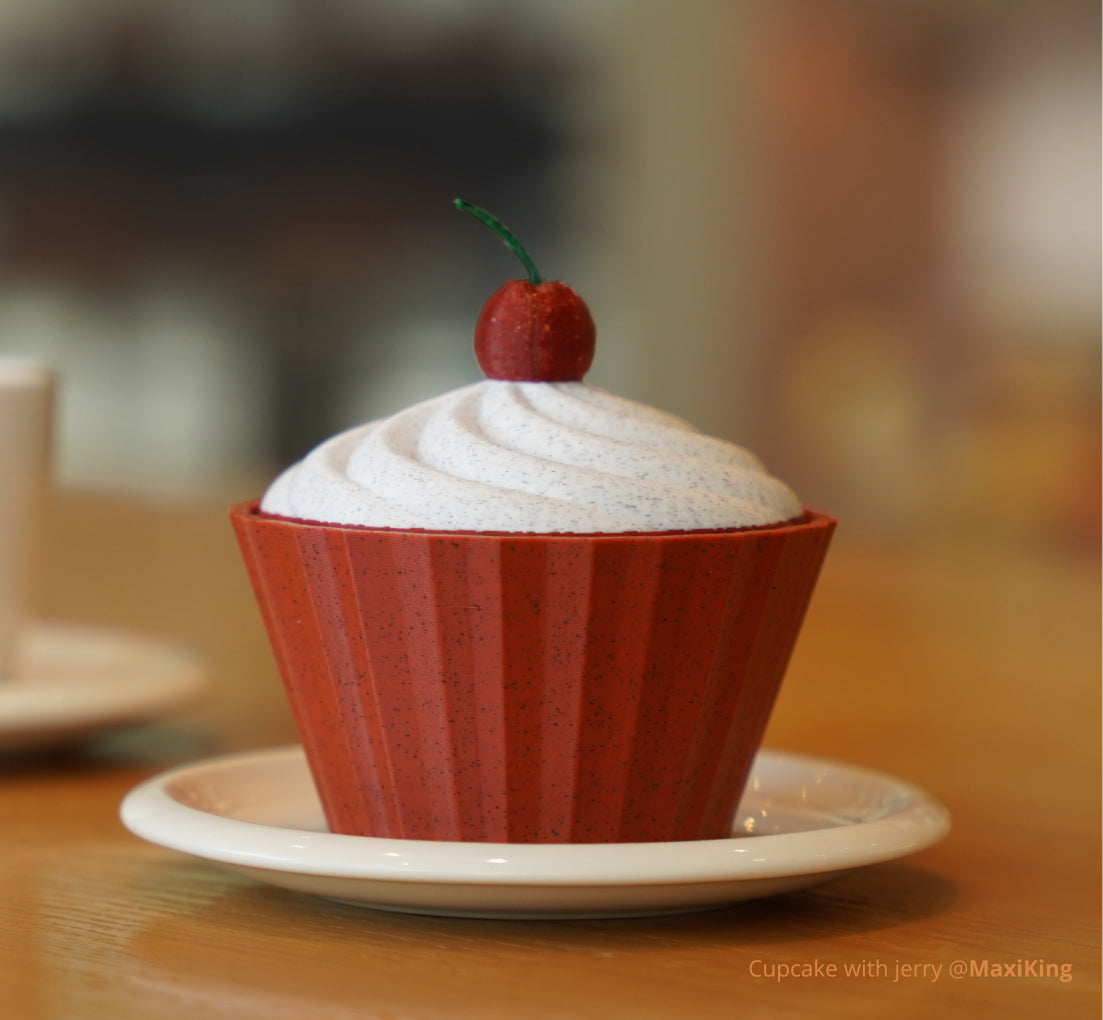
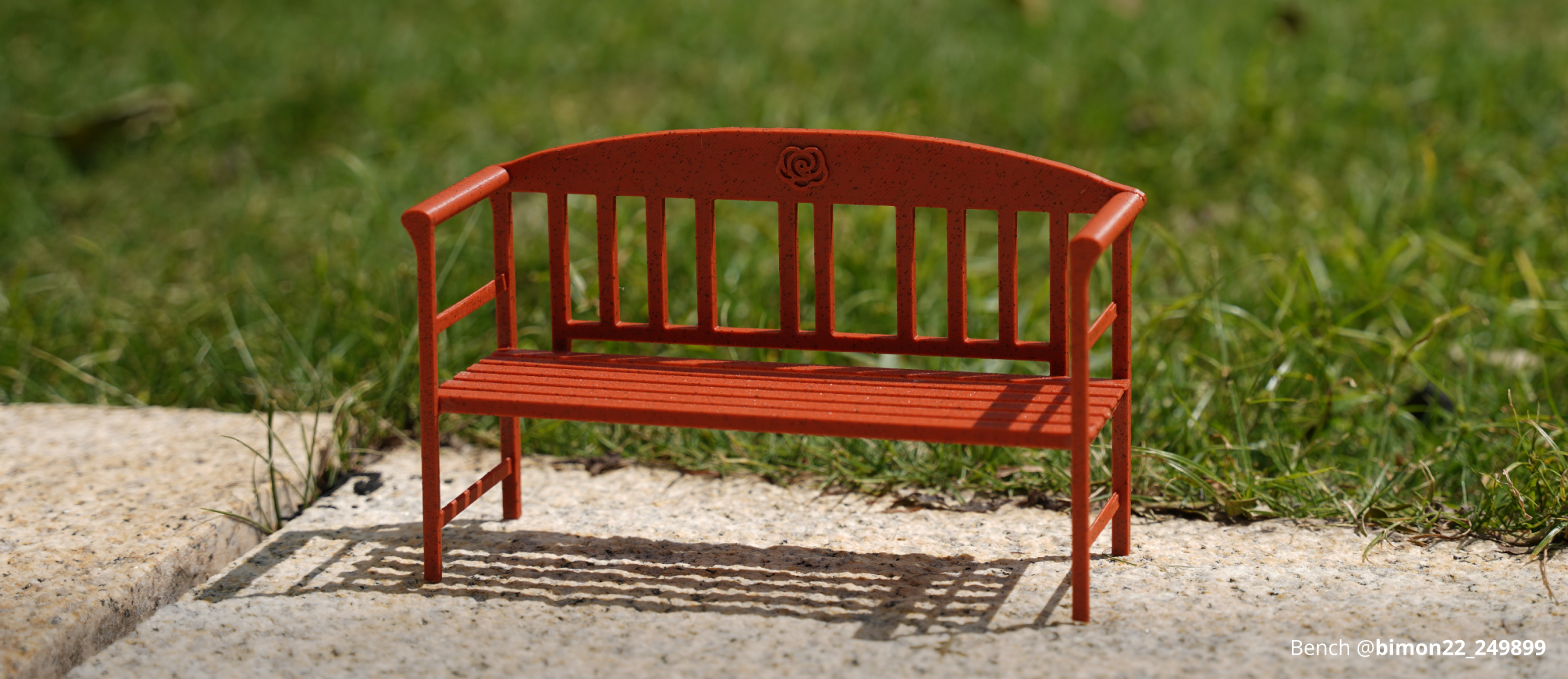
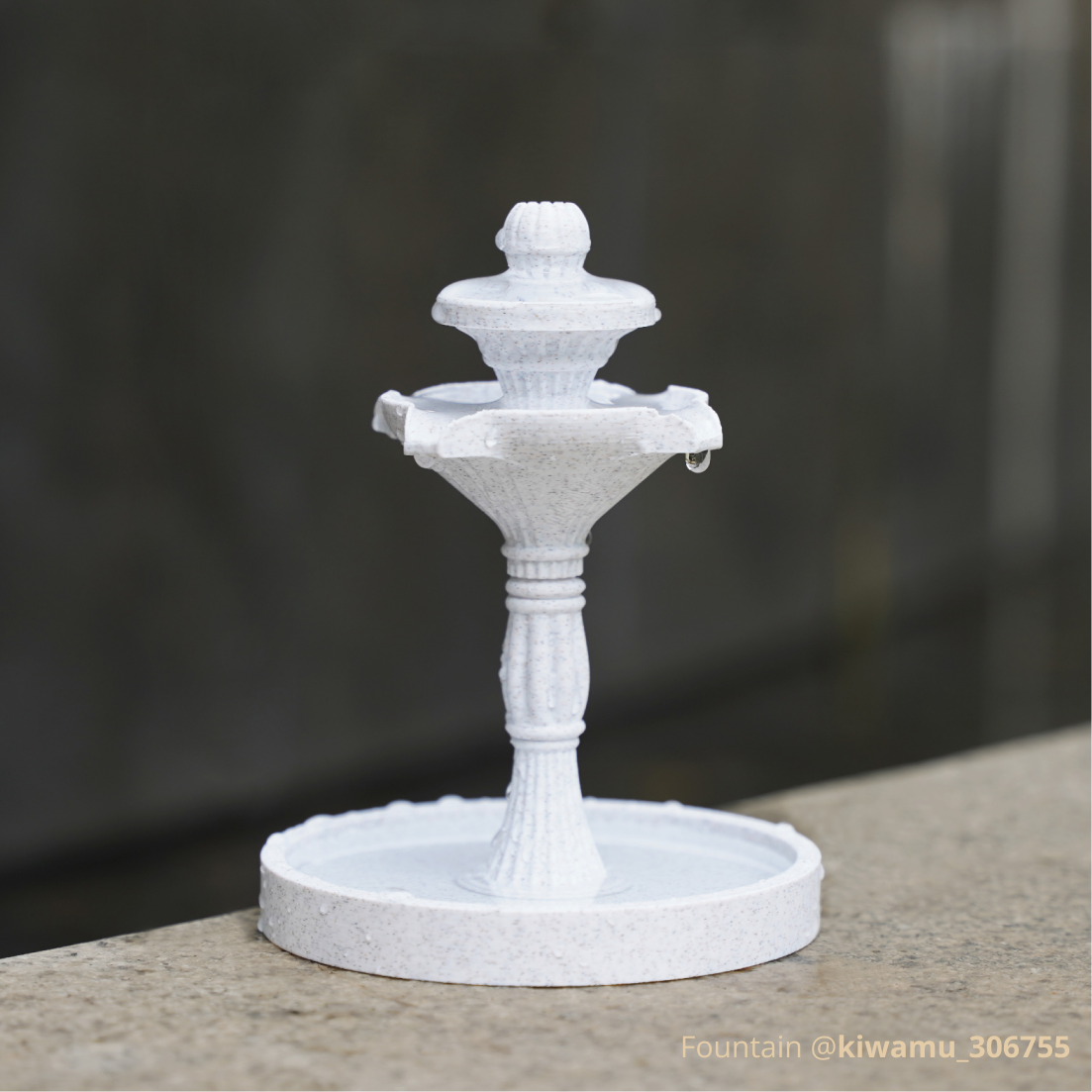
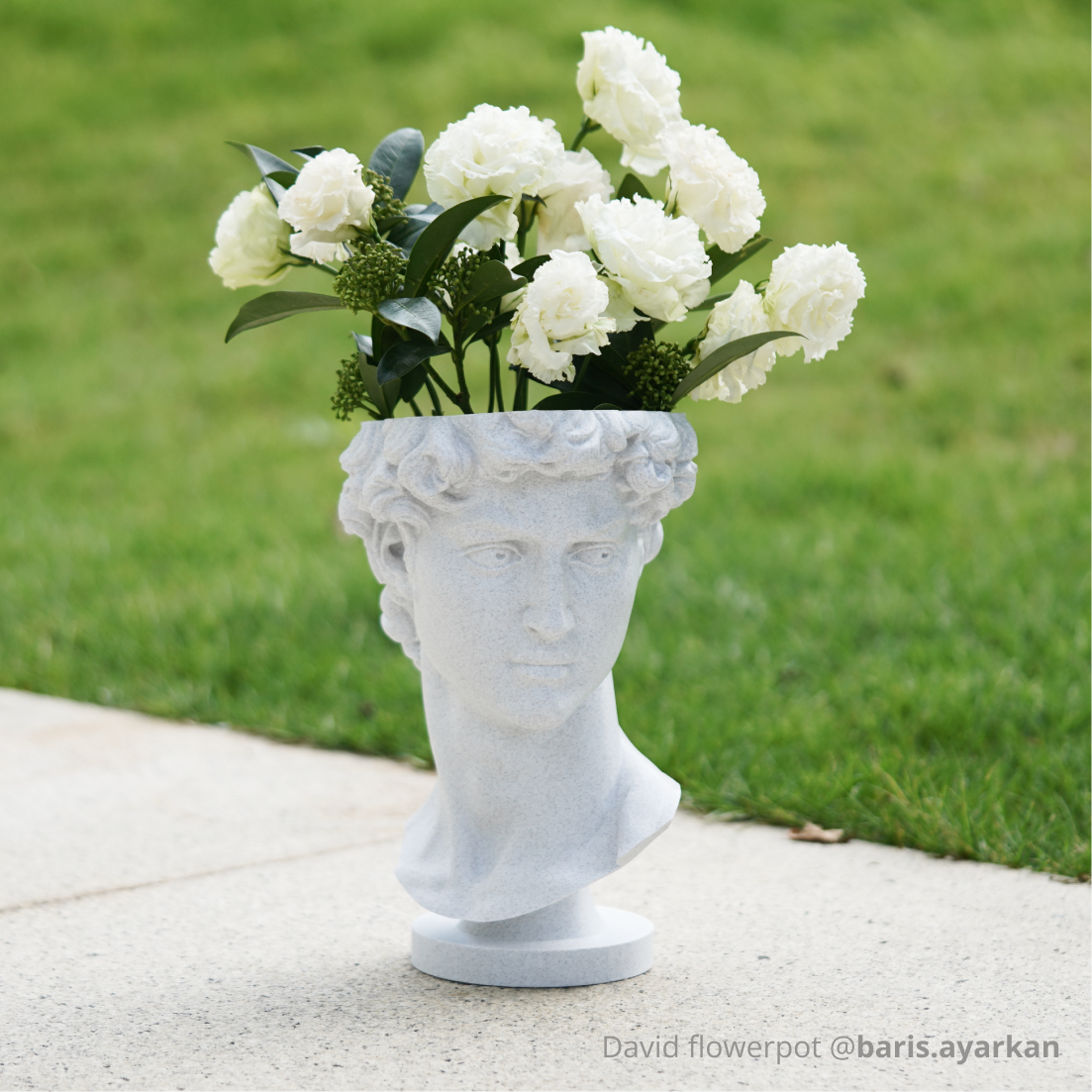
Bambu PLA Marble reproduces the appearance of natural stone. Due to the presence of inorganic particles in its composition, it offers a vivid stone-like texture reminiscent of marble, granite or brick. It also gives a natural touch to your prints and ensures a stunning finish for any of your projects.
| Recommended | Not recommended | |
| Worktop | SuperTack cooling plate and smooth/textured PEI plate | / |
| Hotend | Hotend with 0.4mm/0.6mm/0.8mm hardened steel nozzle Hotend With 0.4mm stainless steel nozzle |
Hotend with 0.2mm stainless steel nozzle |
| Glue | Bambu Lab liquid glue Glue stick |
/ |
All printing parameters are integrated into the RFID, readable through the AMS (Automatic Material System). What are you waiting for? Load and print, without worrying about settings.
| Recommended print settings | |
| Drying settings (air-jet oven) | 55°C, 8 hours |
| Printing and maintaining container humidity | Relative humidity < 20% (sealed, with desiccant) |
| Nozzle temperature | 190°C-230°C |
| Platen temperature (with glue) | 35°C-45°C |
| Printing speed | < 250 mm/s |
| Physical properties | |
| Density | 1.22 g/cm³ |
| VICAT softening temperature | 57°C |
| Temperature of thermal deflection | 56°C |
| Melting temperature | 156°C |
| Melting index | 43.2 ± 4.5 g/10 min |
| Mechanical properties | |
| Tensile strength | 33 ± 4 MPa |
| Elongation rate at break | 67 ± 0,5 % |
| Flexural modulus | 2,920 ± 180 MPa |
| Flexural strength | 75 ± 5 MPa |
| Impact resistance | 24.0 ± 2.5 kJ/m² |
Drying conditions: 55℃ for 8 hours. Store in a dry environment after use. If the material absorbs moisture, dry it before use.
Package Contains: 1 x PLA Basic Gradient Filament with Spool 1kg - Bambu Lab