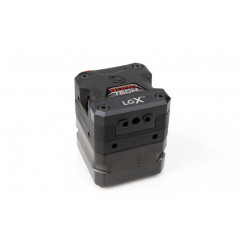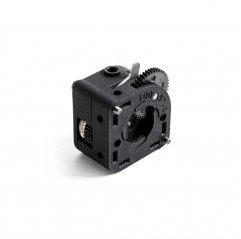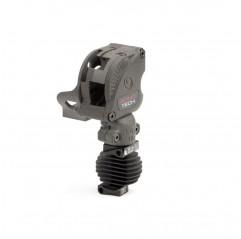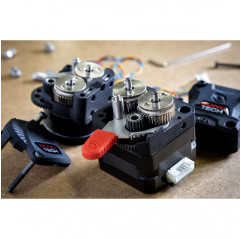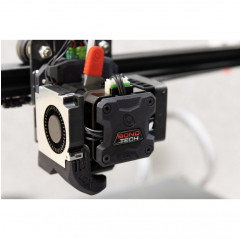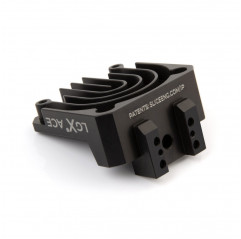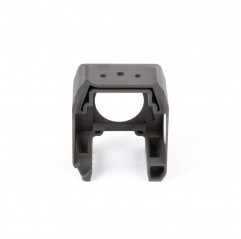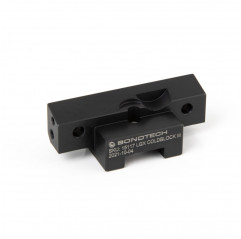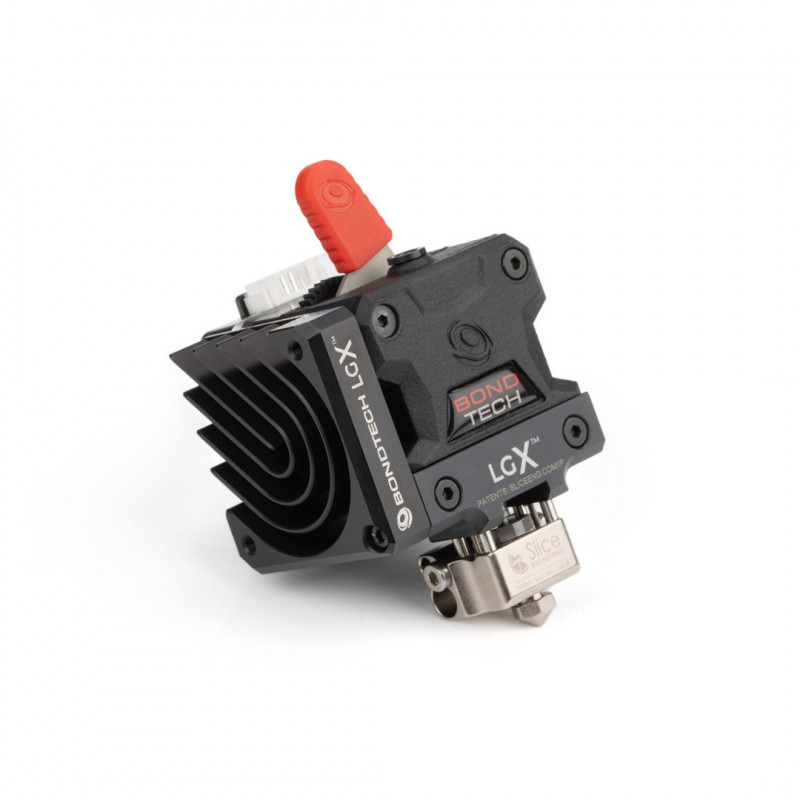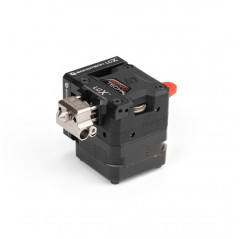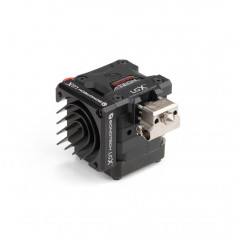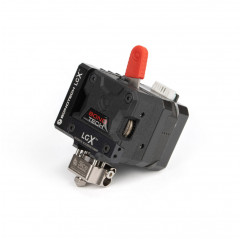
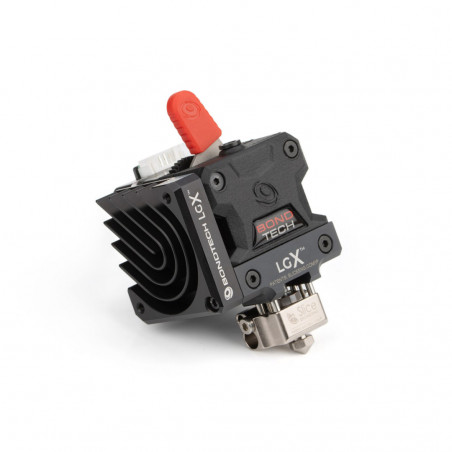
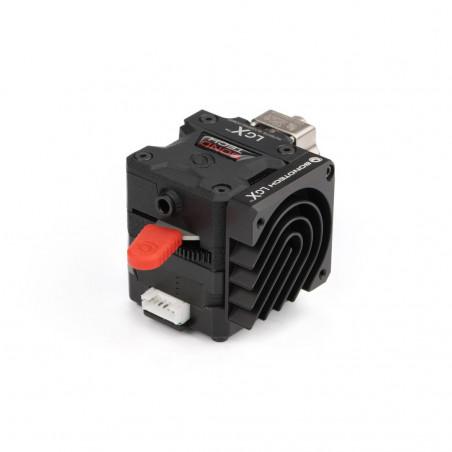
The LGX Shortcut Mosquito printhead is a special unit that includes the LGX Large Gears extruder and thehotend
LGX Shortcut Mosquito Hotend , which can master all materials and excel with soft and flexible ones.
Its main feature is a 23 mm shorter filament path than the standard Mosquito.
This LGX printhead supports only 1.75 mm filament.
Designed to be flexible
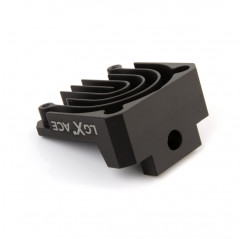
The LGX Shortcut Mosquito Hotend includes a reversible heat sink that can be installed on the left or right side of the block. The heat sink also includes the hole pattern for attaching 40×40 fans. Cooling of theheatbreak
According to tests, one 4010 fan is sufficient to cool the block and the cold area ofheatbreak, even with a small contact surface area. For applications where additional cooling is needed, try using a 4020 fan or 2 LGX heatsinks, one on each side.
Key advantages
Allows you to work with all available materials
Enables faster printing of flexible and soft materials
Is small and lightweight
Allows mounting in many different ways
Compatible nozzles
The block included in this product is compatible with standard RepRap nozzles, such as:
For technical specifications, please visit the product support page Bondtech: https://www.bondtech.se/customer-service/
The item you receive may differ in some features from the one depicted in the photo, depending on the production batch. Despite this, functionality is maintained.
Qual è la differenza tra un estrusore Single Drive e uno Dual Drive?
L'estrusore Single Drive utilizza un solo ingranaggio motorizzato e un cuscinetto a pressione. Il sistema Dual Drive utilizza due ingranaggi controrotanti che afferrano il filamento da entrambi i lati, garantendo una forza di spinta doppia e riducendo drasticamente lo slittamento, specialmente con filamenti tecnici o velocità elevate.
Quando dovrei sostituire l'ugello (nozzle)?
L'ugello va sostituito quando si notano problemi di stampa, specialmente superficiali, o se il diametro del foro si è allargato a causa dell'usura (comune con materiali abrasivi). Un ugello in ottone usato con fibra di carbonio può rovinarsi in poche ore di stampa, mentre uno in acciaio temprato può durare mesi.
Perché il mio estrusore scatta (fa rumore di "clic") durante la stampa?
Il rumore di scatto indica che il motore non riesce a spingere il filamento. Le cause, tra le altre, possono essere un ugello parzialmente ostruito, una temperatura di stampa troppo bassa, o una velocità di estrusione eccessiva per le capacità termiche del tuo hotend, un meccanismo non adeguato al tipo di filamento utilizzato.