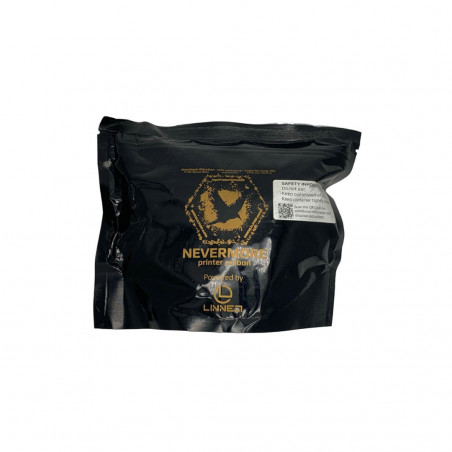
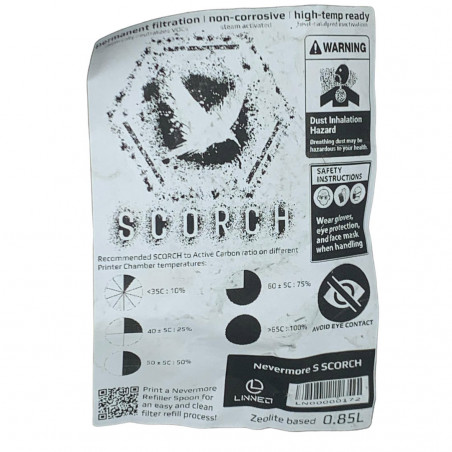
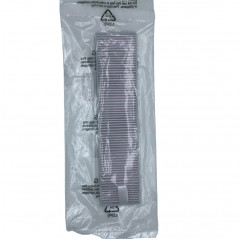
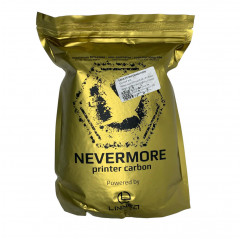
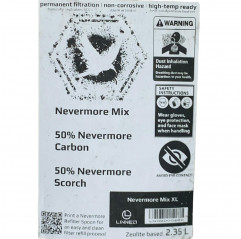
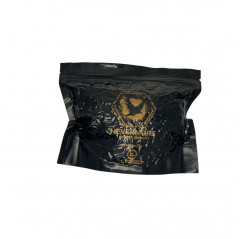
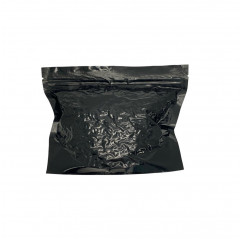
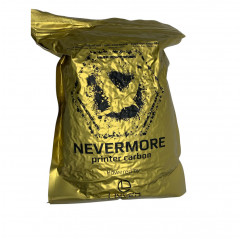
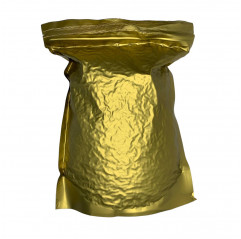
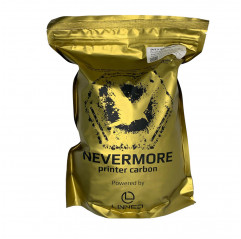
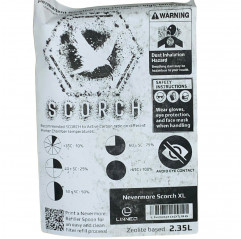
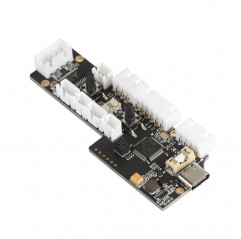
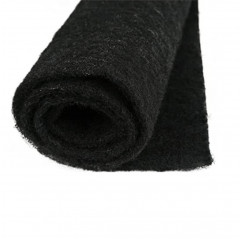
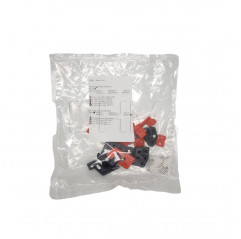
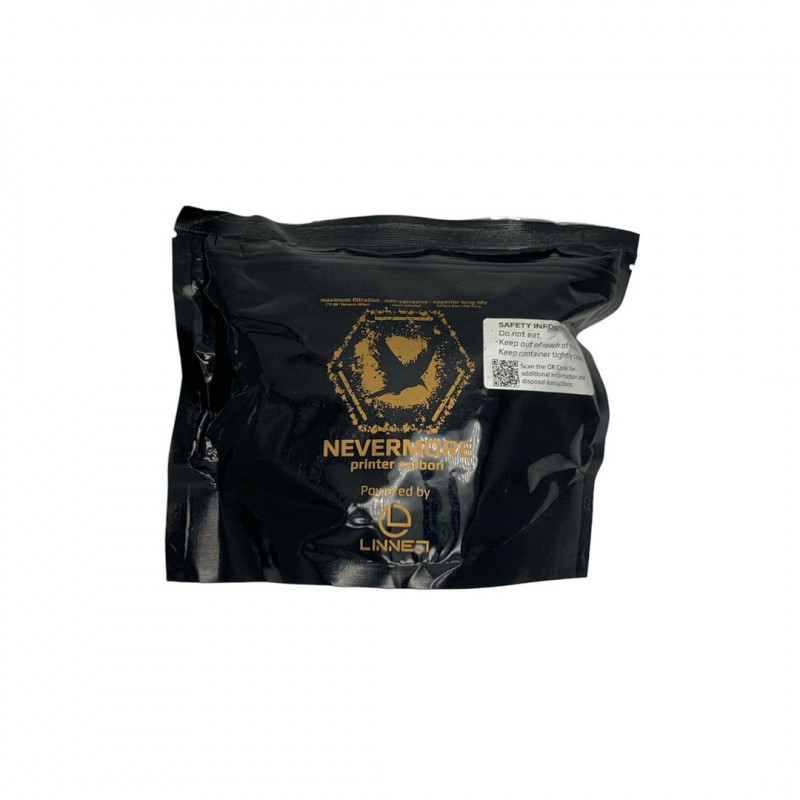
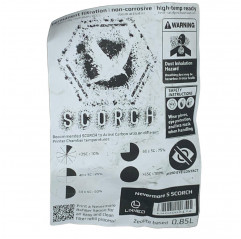
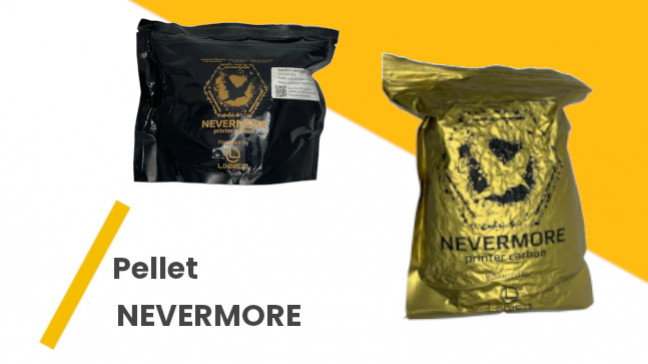
The Nevermore Scorch is an active carbon for use as a 3D printer filter based on highly microporous zeolite, enriched with potassium permanganate (KMnO4).
This filter chemically transforms VOCs emitted during printing, such as styrene (a major VOC in ABS and ASA filaments), into harmless potassium benzoate.
The process is accelerated at high temperatures, making Nevermore Scorch ideal for heated printing chambers.
The pellet changes color from bright purple to dull gray when exhausted, providing a visual indication for replacement. Nevermore Scorch is vacuum-packed to minimize dust generation during shipping, ensuring a clean product ready for immediate use in 3D printers.
Available in Regular S (approximately 750ml, 0.66kg) and XL (approximately 2300ml, 2kg) sizes.
Key Features:
Adsorbent Material: Based on zeolite, enhanced with potassium permanganate (KMnO4).
Chemical Transformation of VOCs: Converts toxic VOCs into harmless food additives.
High Temperature Efficiency: Ideal for heated printing chambers, with an accelerated adsorption process.
Visual Exhaustion Indicator: Changes color from bright purple to dull gray.
Size: Regular S (approximately 750ml, 0.66kg)
Benefits:
Safety and Cleanliness: Transforms harmful VOCs into harmless substances, improving air quality during 3D printing.
Easy Monitoring: Color change clearly indicates when the filter needs to be replaced.
Superior Performance in Heated Chambers: Filter efficiency increases with temperature, ideal for heated 3D printing environments.
Choose the Nevermore Scorch to ensure a cleaner, safer 3D printing environment by improving air quality and reducing exposure to harmful compounds.
For support on Nevermore products, and for filter media files, visit the page on GitHub: https://github.com/nevermore3d/Reseller
For more information, please contact us. The item you receive may differ in some features from the one pictured, depending on the production batch. Despite this, functionality is maintained.
Qual è il materiale migliore per pezzi che devono stare all'esterno?
L'ASA è il materiale consigliato per l'uso esterno. A differenza dell'ABS, l'ASA è altamente resistente ai raggi UV, non ingiallisce e mantiene le sue proprietà meccaniche anche sotto l'esposizione diretta del sole e degli agenti atmosferici.
Perché la mia stampa in PETG presenta molti "fili" (stringing)?
Il PETG è un materiale molto viscoso. Per ridurre lo stringing, è fondamentale calibrare correttamente la temperatura di stampa e la distanza di ritrazione. Inoltre, assicurati che il filamento sia asciutto, poiché l'umidità assorbita peggiora drasticamente questo fenomeno.
Posso mescolare resine di marche diverse?
In generale è sconsigliato, poiché ogni resina ha tempi di esposizione e composizioni chimiche differenti. Mescolarle potrebbe portare a fallimenti di stampa o a una polimerizzazione incompleta del pezzo.
Come si smaltiscono i residui di resina 3D?
La resina liquida è considerata un rifiuto speciale. Non deve mai essere gettata negli scarichi domestici. È necessario polimerizzare i residui liquidi (esponendoli al sole o a lampade UV) fino a renderli solidi, dopodiché possono essere smaltiti seguendo le normative locali sui rifiuti plastici speciali.