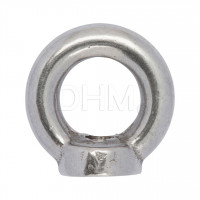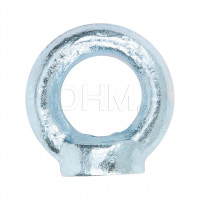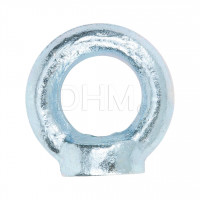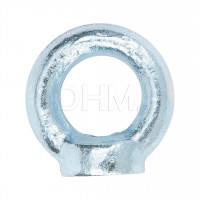
Not all fasteners are the same. When a structure has to withstand significant loads - be it the frame of a CNC machine, the structure of a 3D printer or an aluminium profile workbench - you need structural joints designed to transfer forces reliably. In this guide, we take a look at the most commonly used bolting techniques available at DHM-online.
Through-bolted joint
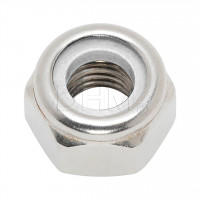
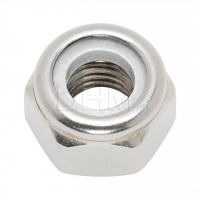
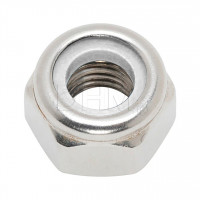
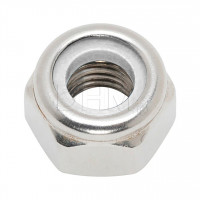
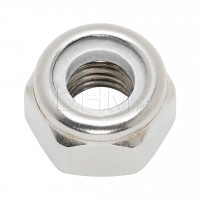
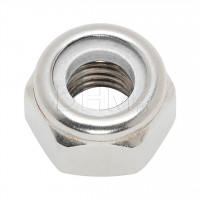
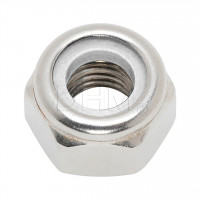
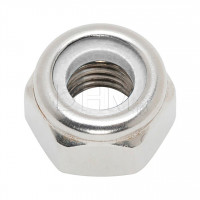
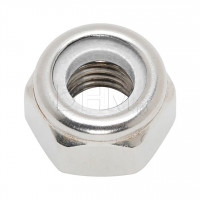
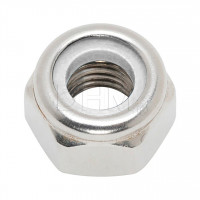
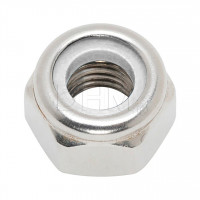
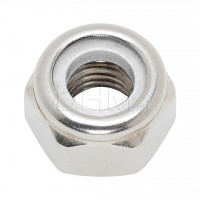
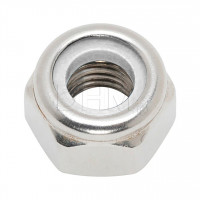
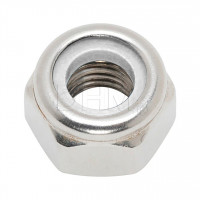
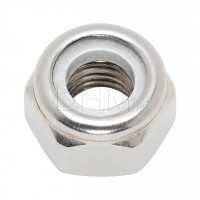
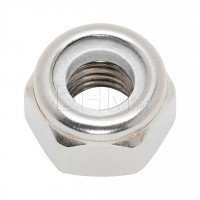
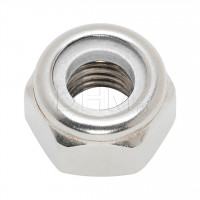
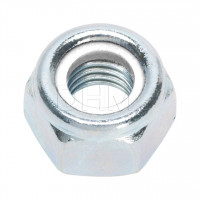
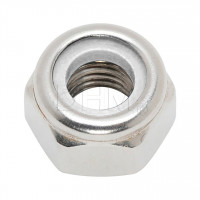
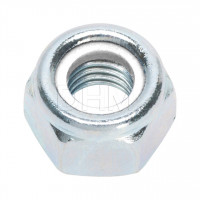
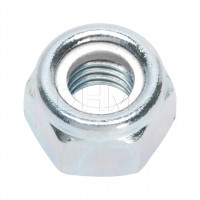
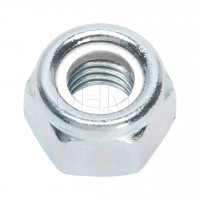
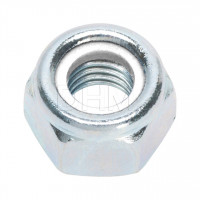
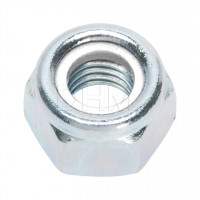
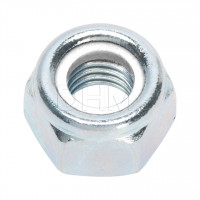
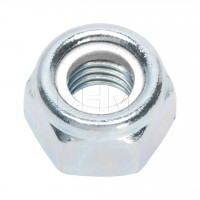
The simplest and strongest joint: a bolt (screw + nut) passes through both pieces to be joined. The force is transferred by friction between the surfaces (preload) and by shear on the shank of the screw. To maximise strength: use underhead washers and nuts to distribute the load, tighten with torque appropriate to the strength class, and use self-locking nuts for applications subject to vibration.
Tie rods with threaded bar
A tie rod is a threaded bar with nuts at each end that holds two or more components under tension together. It is the most commonly used system for bracing and structural reinforcement in aluminium profiles, fixing worktops to underlying structures, tensioning spaced components (such as the platter of a 3D printer to supports), and anchoring to walls or floors.
For an effective tie rod: choose a threaded rod with the appropriate strength class (8.8 for most applications). Use large washers under the nuts to avoid damaging the aluminium profiles. Tighten nuts evenly to distribute the load. For long tendons, check the critical buckling load (risk of bending).
Joints with angles and plates
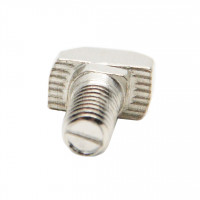
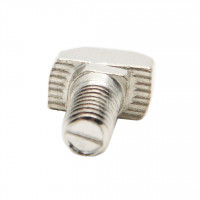
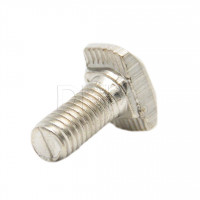
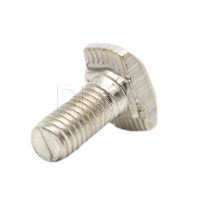
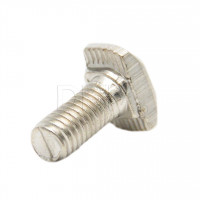
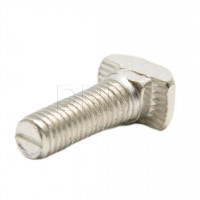
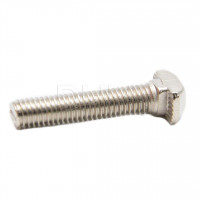
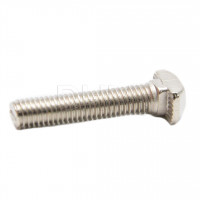
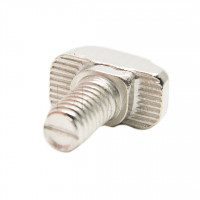
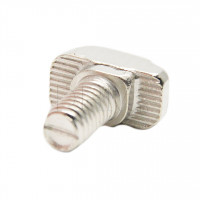
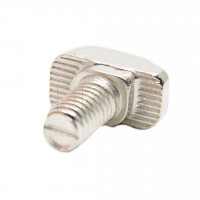
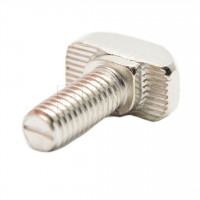
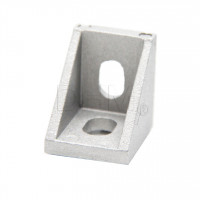
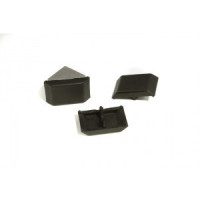
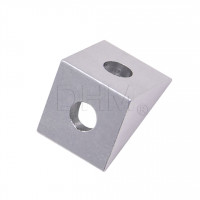
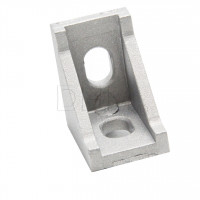
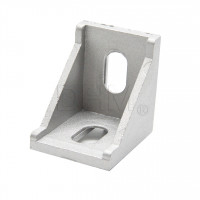
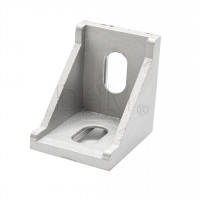
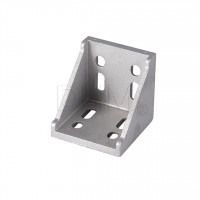
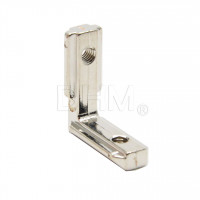
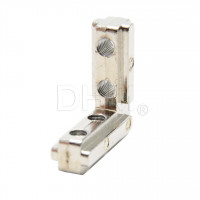
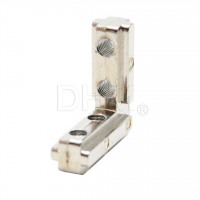
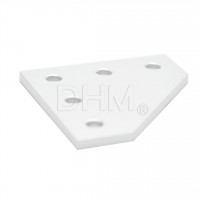
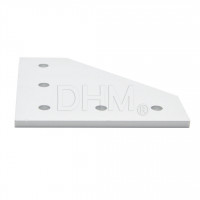
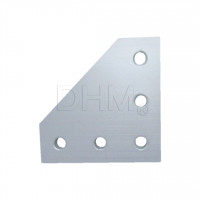
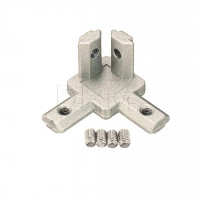
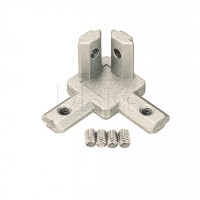
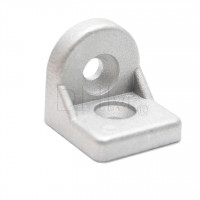
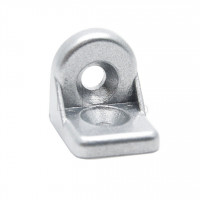
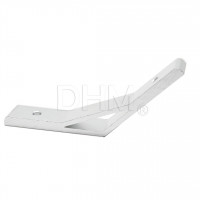
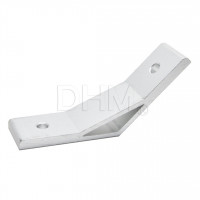
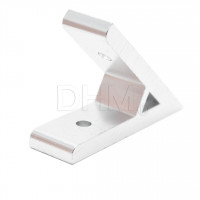
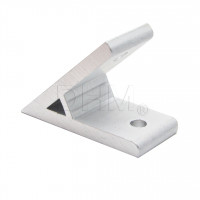
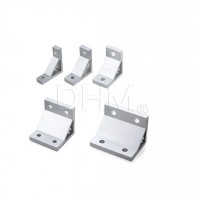
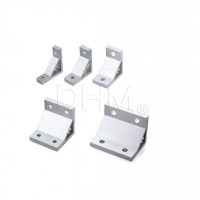
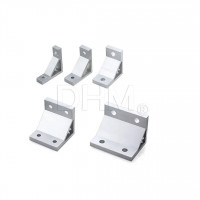
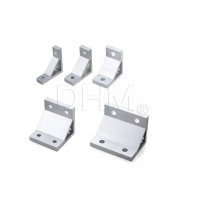
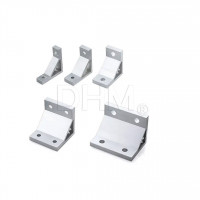
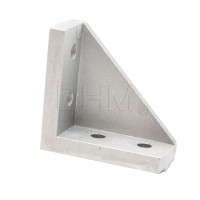
For extruded aluminium profile structures, corner joints and splice plates offer a modular and reconfigurable solution. 90° angle brackets connect two perpendicular profiles using T-nuts or hammer nuts in the groove. Joint plates connect profiles in the same plane. For high loads, combine angles and through-bolts for maximum rigidity.
Dimensioning rapido
As a rule of thumb for aluminium profile structures: for light loads (3D printers, shelves) use M5 class 8.8 screws with T-nuts. For medium loads (CNC for wood, workbenches) use M6 class 8.8 with reinforced angle brackets. For heavy loads (CNC for metal, supporting structures) use M8 class 10.9 with through bolts and joint plates.
Components at DHM-online
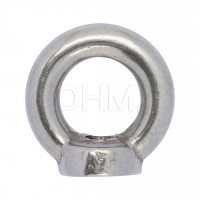
At DHM-online you will find everything you need for structural joints: threaded rods from M4 to M20 in steel and stainless steel, bolts and screws in all classes, hexagonal and self-locking nuts, flat and grower washers, angle and joint plates for aluminium profiles, and T-nuts and hammer nuts for all profile series.