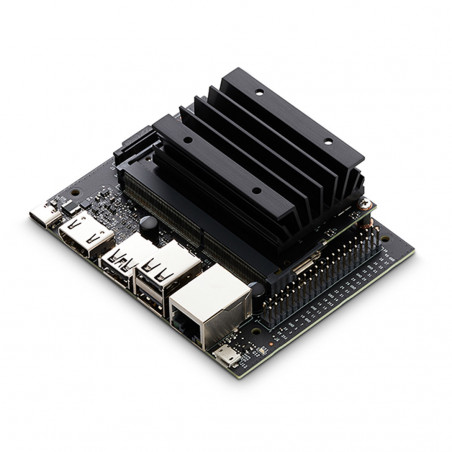
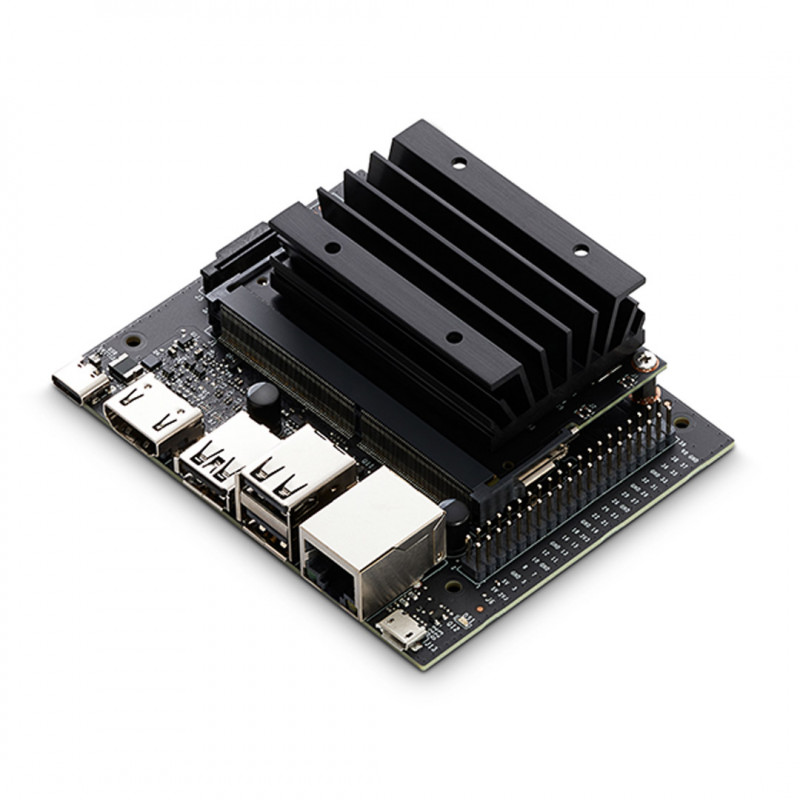
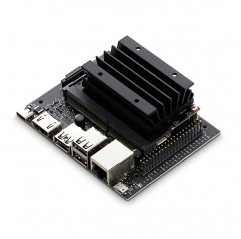
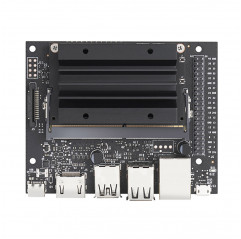
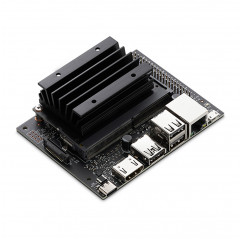
The NVIDIA® Jetson Nano™ 2GB developer kit delivers the computational performance needed to run modern artificial intelligence workloads with unprecedented size, power consumption, and cost. Developers, students and enthusiasts can now run artificial intelligence frameworks and models for applications such as image classification, object detection, segmentation and language processing.
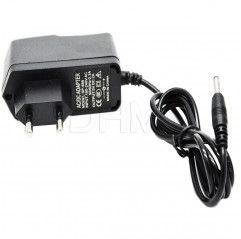
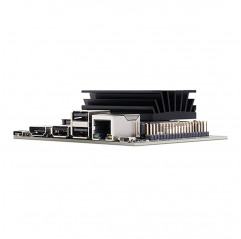
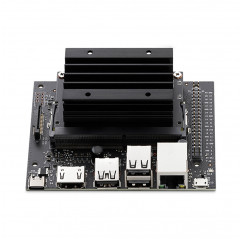
The developer kit can be powered via micro-USB and has a wide range of I/O ports, ranging from GPIO to CSI. This makes it easy to connect a variety of new sensors to enable different artificial intelligence applications. It is extremely energy efficient, consuming just 5 watts.
Jetson Nano is also supported by NVIDIA JetPack, which includes a board support package (BSP), a Linux operating system, NVIDIA CUDA®, cuDNN and TensorRT™ software libraries for deep learning, computer vision, GPU processing, multimedia processing and more. The software is also available via an easy-to-install SD card image, making startup rapido and simple.
The JetPack SDK itself is used across the entire NVIDIA Jetson™ product family and is fully compatible with NVIDIA's industry-leading artificial intelligence software training and release platform. This proven software stack reduces complexity and overall effort for developers.
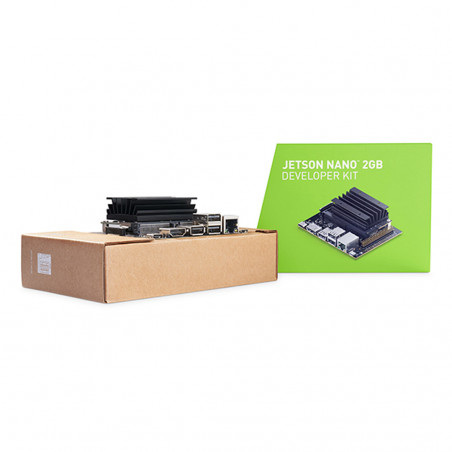
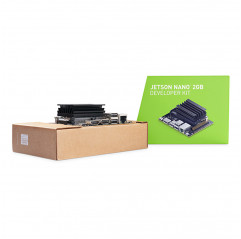
Package contains: 1 x NVIDIA Jetson Nano Development Kit 2GB