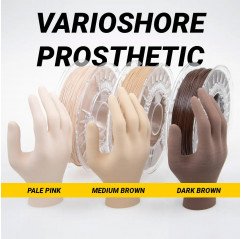
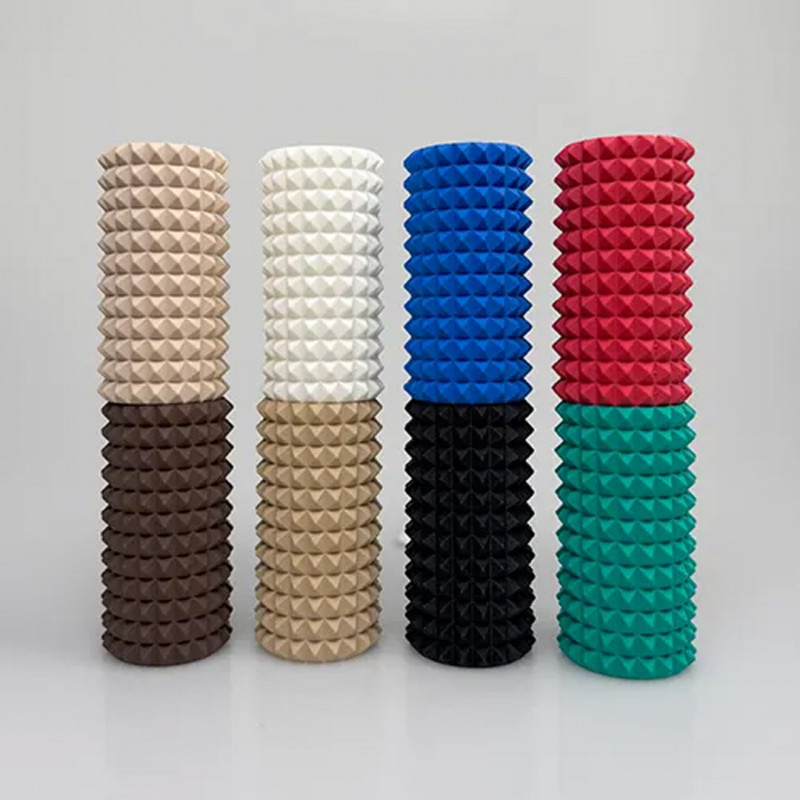
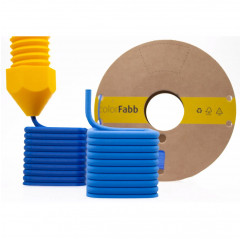
varioShore TPU
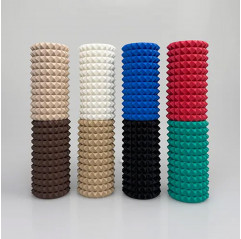
TPU was made special using the same expansion technology introduced with LW-PLA. varioShore TPU has some main distinguishing features: variable Shore hardness, reduced weight and density, and soft feel.
varioShore TPU allows the material density to be varied by adjusting the temperature and material flow (layer speed and height). At temperatures between 200 and 250°C, the material begins to expand to about 1.4-1.6 times its original volume, reducing the density to 0.7-0.9 g/cm³. This means that the material can be molded with low fluxes (60-70%) to compensate for the active expansion, resulting in very soft molded parts. Between 190 and 200°C the material can be molded without expansion, producing harder parts with different tactile sensations than expanded samples.
Shore hardness ranges from 92A (unexpanded) to 55A (maximum expansion).
Developed in collaboration with Lubrizol, varioShore TPU is an ideal material for printing insoles, cosplay parts and the like.
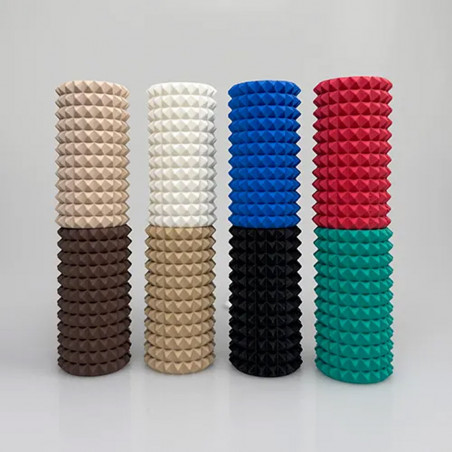
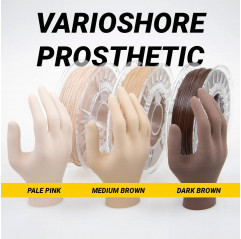
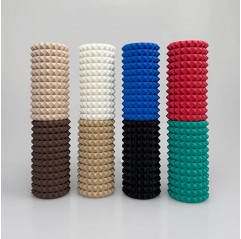
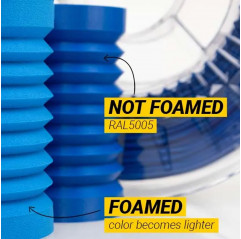
Note that color variations may occur: when the material is at maximum expansion, the color tends to be lighter than in its un-expanded state, which shows deeper, more intense hues.
Specifications
- Material: ColorFabb varioShore TPU
- Diameter tolerance: ± 0.1 mm
- Density: 1.2-1.3 g/cm³
- Glass transition temperature (Tg): -20°C
- Recommended printing temperature: 190-250°C
- Recommended printing speed: 20-30 mm/s
- Recommended heated surface: 20-40°C
- Cooling fan: Use the minimum amount of cooling when maximum expansion is required. For best performance in overhangs, use 50-100% cooling.
- Make sure the distance between the nozzle and the platform is not too small, especially if the material is expanded during printing: pressure will need to be released fromhot-end to prevent clogging and feeding problems.
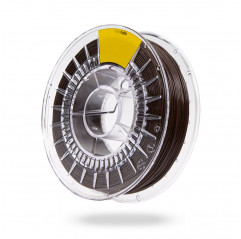
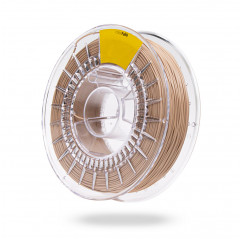
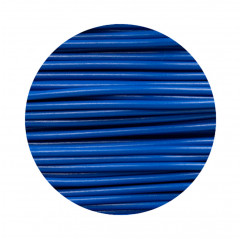
Package contains: 1 x VARIOSHORE TPU BLUE 1.75mm - ColorFabb