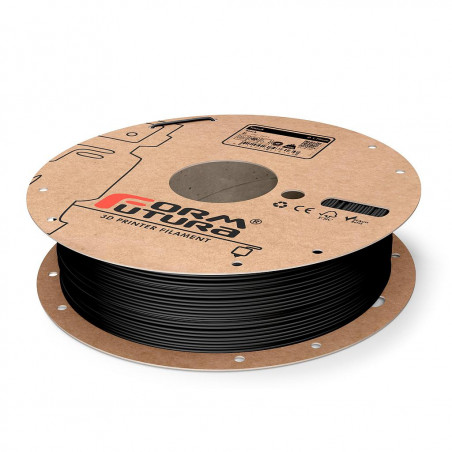
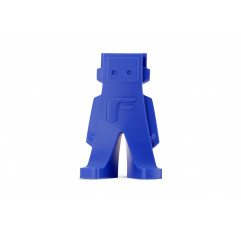
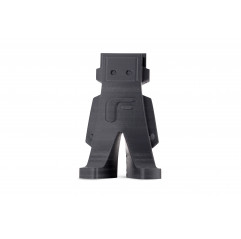
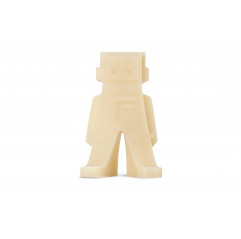
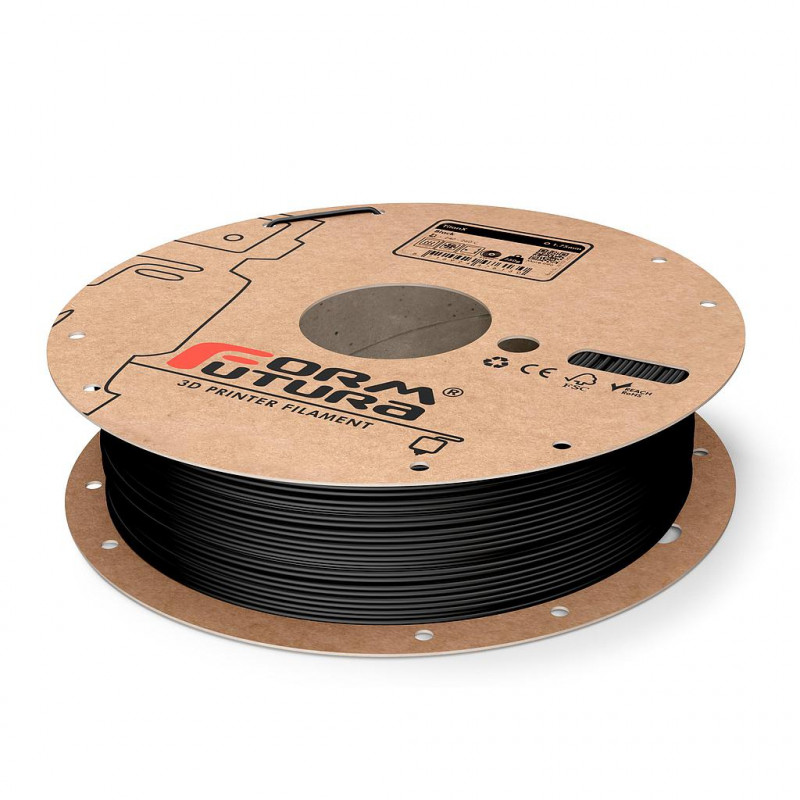
TitanX is a modified ABS-based 3D printing filament with significantly improved mechanical properties and printability.
TitanX represents the new generation of ABS: it enables high-precision 3D printing without warping.
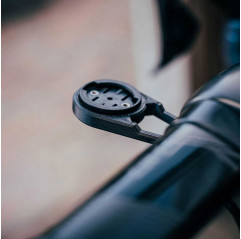
TitanX is used by industries worldwide for the production of functional prototypes and end-use parts.
TitanX is a high-end technical filament with ABS (acrylonitrile butadiene styrene) as its main component. Its formulation is enhanced with additional polymers, bonding agents and impact modifiers. The result is an engineered filament that combines excellent mechanical properties with optimised inter-layer adhesion and virtually no warping.
Key features
Greatly improved mechanical properties
Over 65% more impact resistant than normal ABS
Warping minimal, excellent adhesion between layer and perfect adhesion to the print bed
Precise 3D printing with remarkable fine detail
Vicat softening temperature of 97 °C
Compatible with Helios Support for complex multi-extrusion prints
Nearly odourless processing and no typical unpleasant styrene smell during printing
Applications
Functional prototyping
End-use parts
Fit testing
Engineering components
Small series production
General printing guidelines *
Nozzle diameter: ≥ 0.15 mm
Height layer: ≥ 0.1 mm
Experience level: Beginner
Print temperature: ± 245 - 270 °C
Fan: 0 - 50%
Heated plate: ± 100 - 110 °C
Closed chamber (enclosure): Recommended
* Settings shown are general guidelines. Parameters may vary depending on printer, hot-end and calibration.
Strong Adhesion
As an engineering grade material, we recommend the use of an adhesive on the print bed as a protective layer.
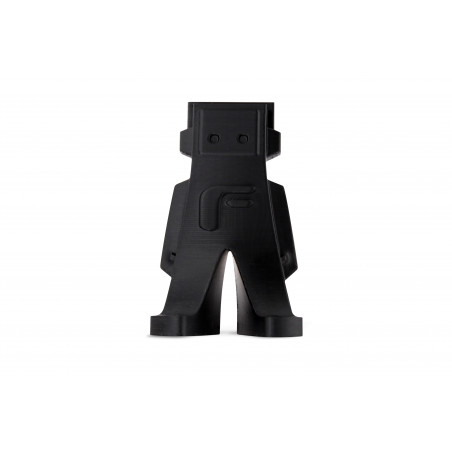
The item you receive may differ in some features from the one shown in the photo, depending on the production batch. Despite this, functionality is maintained.
Qual è il materiale migliore per pezzi che devono stare all'esterno?
L'ASA è il materiale consigliato per l'uso esterno. A differenza dell'ABS, l'ASA è altamente resistente ai raggi UV, non ingiallisce e mantiene le sue proprietà meccaniche anche sotto l'esposizione diretta del sole e degli agenti atmosferici.
Perché la mia stampa in PETG presenta molti "fili" (stringing)?
Il PETG è un materiale molto viscoso. Per ridurre lo stringing, è fondamentale calibrare correttamente la temperatura di stampa e la distanza di ritrazione. Inoltre, assicurati che il filamento sia asciutto, poiché l'umidità assorbita peggiora drasticamente questo fenomeno.
Posso mescolare resine di marche diverse?
In generale è sconsigliato, poiché ogni resina ha tempi di esposizione e composizioni chimiche differenti. Mescolarle potrebbe portare a fallimenti di stampa o a una polimerizzazione incompleta del pezzo.
Come si smaltiscono i residui di resina 3D?
La resina liquida è considerata un rifiuto speciale. Non deve mai essere gettata negli scarichi domestici. È necessario polimerizzare i residui liquidi (esponendoli al sole o a lampade UV) fino a renderli solidi, dopodiché possono essere smaltiti seguendo le normative locali sui rifiuti plastici speciali.