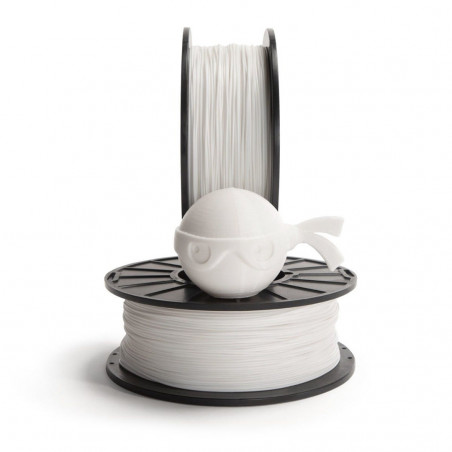
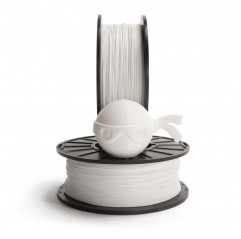
NinjaFlex Edge
NinjaFlex Edge offers the best of both worlds: the flexibility of NinjaFlex and the innovative printability of NinjaTek.
NinjaFlex Edge provides incredible rebound-unique on the market-and unparalleled print speeds for Shore 83A hardness.
Features and benefits of NinjaFlex filaments
Shore hardness = 83A
Truly flexible (no filler or layer manipulation required to achieve performance)
Flexibility allows repeated movement and impact resistance without wear or cracking
Proprietary low-friction outer coating that allows for smooth feeding
Unique rebound that gives the material an excellent spring and recovery effect
High grip, ideal for robotic grippers and tracks
Consistent diameter and material properties for reliable, high-quality prints
Chemical resistance to many materials
Compliant with REACH and RoHS 3 (EU 2015/863)
Printing recommendations
Extruder temperature: 225 °C - 250 °C
Platen temperature: room temperature - 50 °C
Recommended heated bed: if no heated bed is used, blue painter's glue or tape is suggested
Top and bottom layers: 20-30 mm/sec (1200-1800 mm/min)
Filling speed: 30-50 mm/sec (1800-3000 mm/min)
From the second layer onward, use the cooling fan if available
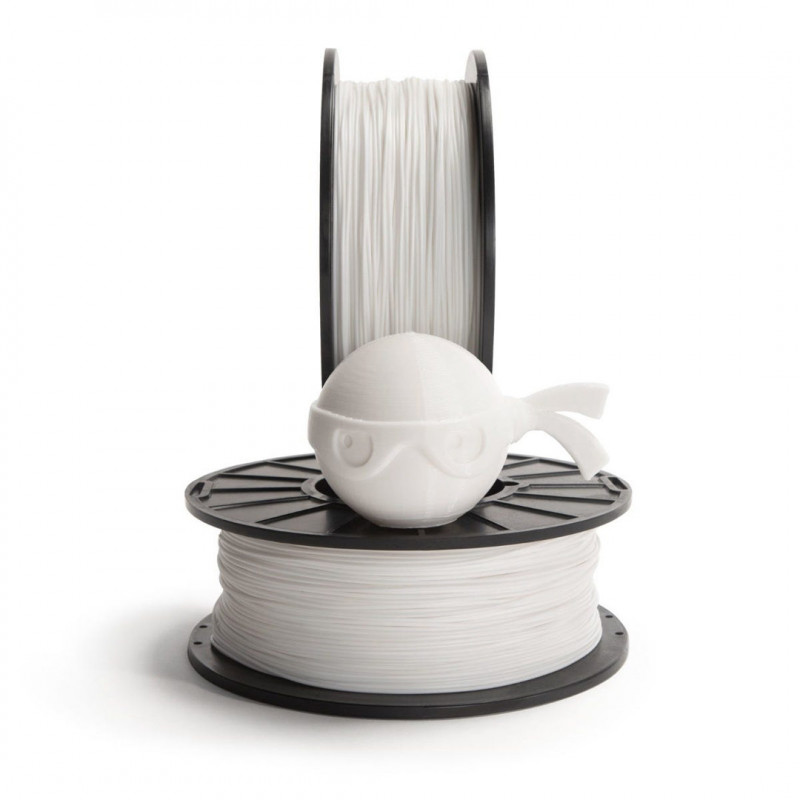
Package contains: 1 x NinjaFlex EDGE TPE SNOW WHITE 1.75mm 500g - NT
The item you receive may differ in some features from the one depicted in the photo, depending on the production batch. Despite this, functionality is maintained.
Qual è il materiale migliore per pezzi che devono stare all'esterno?
L'ASA è il materiale consigliato per l'uso esterno. A differenza dell'ABS, l'ASA è altamente resistente ai raggi UV, non ingiallisce e mantiene le sue proprietà meccaniche anche sotto l'esposizione diretta del sole e degli agenti atmosferici.
Perché la mia stampa in PETG presenta molti "fili" (stringing)?
Il PETG è un materiale molto viscoso. Per ridurre lo stringing, è fondamentale calibrare correttamente la temperatura di stampa e la distanza di ritrazione. Inoltre, assicurati che il filamento sia asciutto, poiché l'umidità assorbita peggiora drasticamente questo fenomeno.
Posso mescolare resine di marche diverse?
In generale è sconsigliato, poiché ogni resina ha tempi di esposizione e composizioni chimiche differenti. Mescolarle potrebbe portare a fallimenti di stampa o a una polimerizzazione incompleta del pezzo.
Come si smaltiscono i residui di resina 3D?
La resina liquida è considerata un rifiuto speciale. Non deve mai essere gettata negli scarichi domestici. È necessario polimerizzare i residui liquidi (esponendoli al sole o a lampade UV) fino a renderli solidi, dopodiché possono essere smaltiti seguendo le normative locali sui rifiuti plastici speciali.