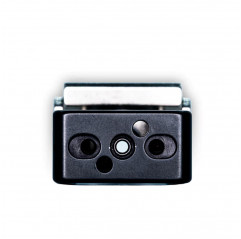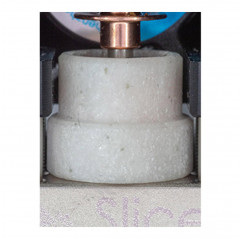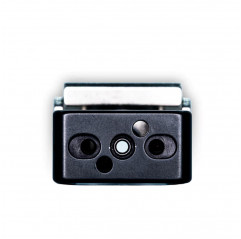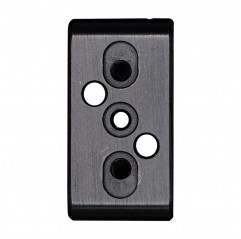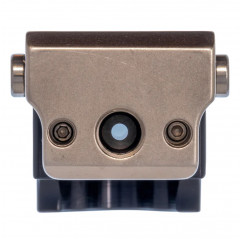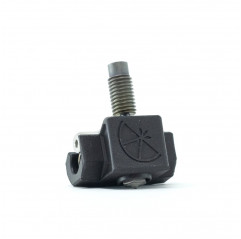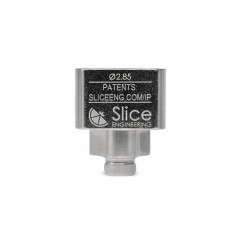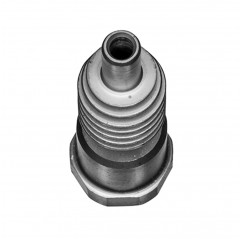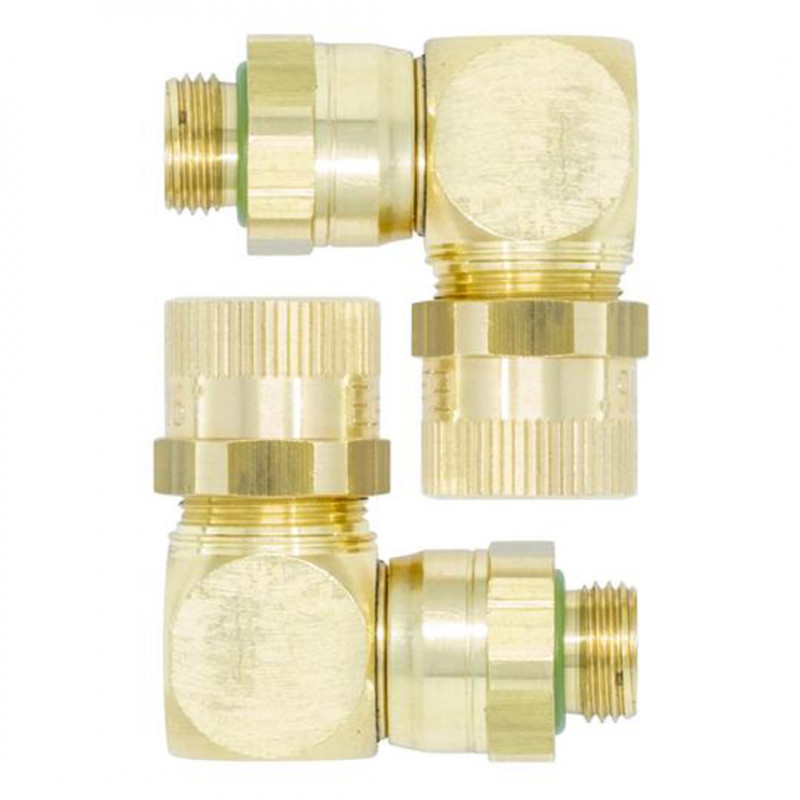
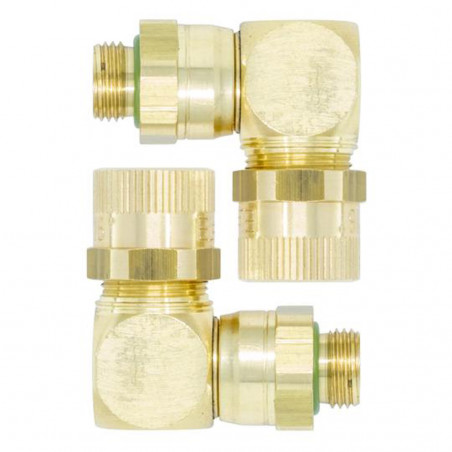
High quality screwable compression fittings for closed refrigeration applications from the Eisele LIQUIDLINE series. Designed to fit perfectly with the hotend series Mosquito® Liquid. Dezincification resistant brass is specially designed for closed cooling water circuits. This alloy ensures long life and functionality of all components. Additional safety is achieved with resistant FKM seals (Viton). LIQUIDLINE threaded connections and quick-release couplings for cooling water resist aggressive aqueous liquids and many other substances. They are resistant to high and low temperatures.
Specifications: 1) The mass of a 6 mm straight fitting is 11 grams. The mass of an 8mm straight fitting is 17 grams. The mass of a 6mm elbow fitting is 24 grams. The mass of an 8mm elbow fitting is 42 grams. 2) The compression side should be hand-tightened. The threaded side should be tightened to a maximum of 9 Nm for proper sealing. 3) If you are using these compression fittings with a pipe material that has a Durometer of 95A or softer, you will need a pipe support to properly secure the pipe inside the fitting. 4) If using tubing softer than 95A, we have tested and recommended Viton fluoroelastomer tubing with a Durometer of 75A.
For more information you can refer to the manufacturer's website: https://www.sliceengineering.com/pages/documentation The object that you will receive may differ in some features from those represented in the picture, depending on the production batch. Despite this, the functionality is maintained.
Qual è la differenza tra un estrusore Single Drive e uno Dual Drive?
L'estrusore Single Drive utilizza un solo ingranaggio motorizzato e un cuscinetto a pressione. Il sistema Dual Drive utilizza due ingranaggi controrotanti che afferrano il filamento da entrambi i lati, garantendo una forza di spinta doppia e riducendo drasticamente lo slittamento, specialmente con filamenti tecnici o velocità elevate.
Quando dovrei sostituire l'ugello (nozzle)?
L'ugello va sostituito quando si notano problemi di stampa, specialmente superficiali, o se il diametro del foro si è allargato a causa dell'usura (comune con materiali abrasivi). Un ugello in ottone usato con fibra di carbonio può rovinarsi in poche ore di stampa, mentre uno in acciaio temprato può durare mesi.
Perché il mio estrusore scatta (fa rumore di "clic") durante la stampa?
Il rumore di scatto indica che il motore non riesce a spingere il filamento. Le cause, tra le altre, possono essere un ugello parzialmente ostruito, una temperatura di stampa troppo bassa, o una velocità di estrusione eccessiva per le capacità termiche del tuo hotend, un meccanismo non adeguato al tipo di filamento utilizzato.