Please note that our offices will be closed from May 29th to June 2nd. Orders placed after 12:00 PM on Thursday, May 28th will be processed starting Wednesday, June 3rd.
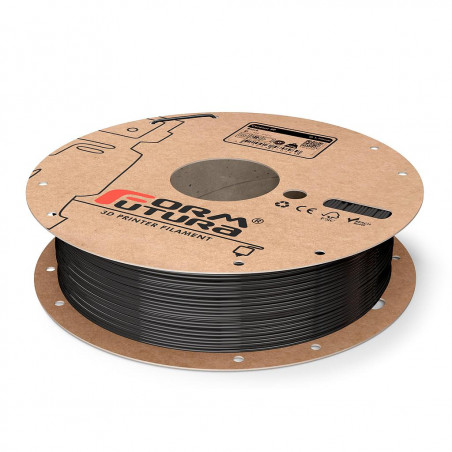
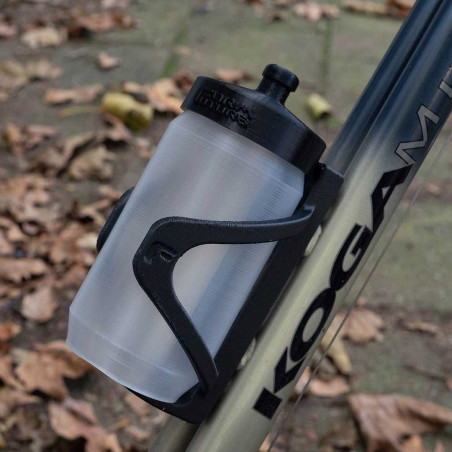
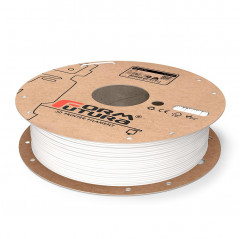
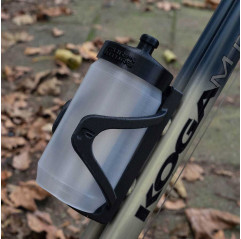
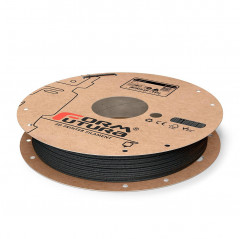
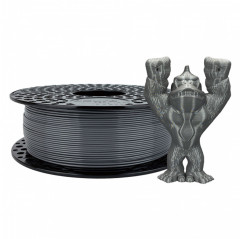
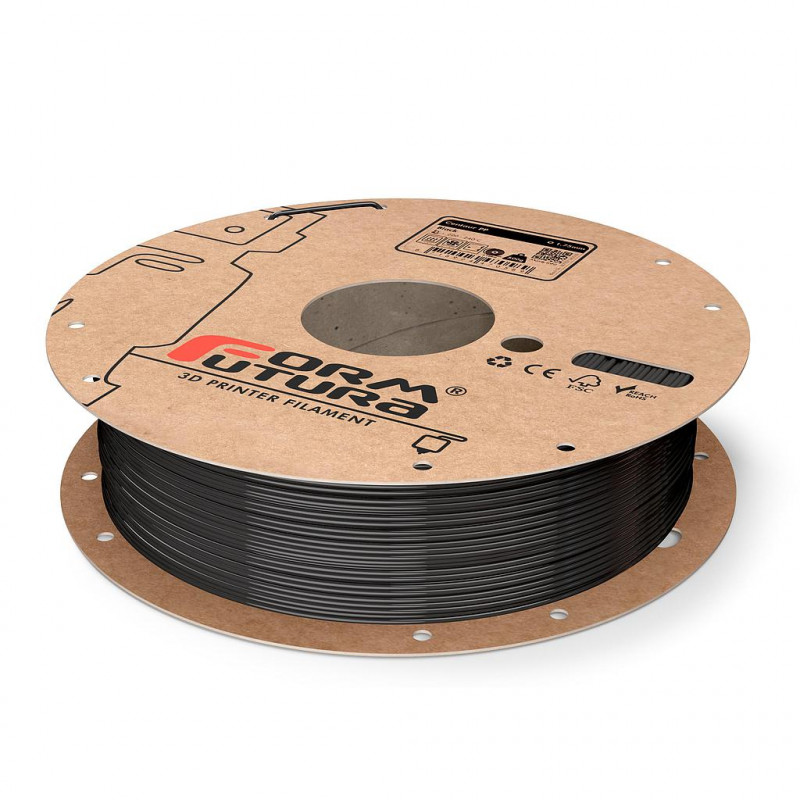
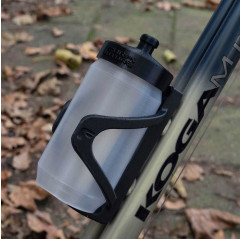
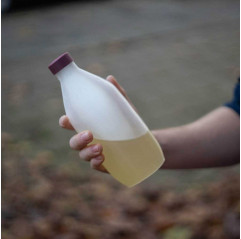
Centaur PP is a lightweight, high-performance polypropylene (PP) filament. It is an extremely versatile and multifunctional material. It can be used, among other things, for functional technical components and household items. It is dishwasher-safe and microwaveable. Centaur PP offers excellent mechanical properties and outstanding adhesion between layers.
Main features
Natural variant suitable for food contact
Dishwasher and microwave safe
Lightweight
Material density 0.9 g/cc
Possibility to obtain waterproof prints even with only one wall
Excellent elastic properties
Can stretch up to more than 600% before breaking
Shore hardness D50
Increased wear, abrasion and fatigue resistance
High chemical resistance
Excellent adhesion between layers
General printing guidelines *
Nozzle size: ≥ 0.15 mm
Height layer: ≥ 0.1 mm
Flow rate: ± 104
Print temperature: ± 245 - 270 °C
Print speed: Low / Medium
Shrinkage: Yes ± 5 mm
Heated Platen: ± 80 - 85 °C
Fan speed: 0 - 50%
Experience level: Intermediate
* The above settings are guidelines for finding optimal print settings. These ranges should work with most printers, but you can experiment outside these values if you feel it is suitable for your printer. There are many different types of printers, hot-end and offset, so it is difficult to provide universal settings that apply to all.
* Large Centaur PP prints can be made on an unheated 2mm or 3mm PP plate attached to the print bed. Smaller prints can be made using standard PP packaging tape.
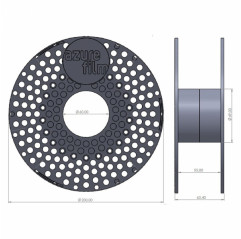
Filament length
ρ: 0.9 g/cc
Spool 50 g
Spool 0.5 kg
Ø 1.75 mm
± 23,1 m
± 231 m
Ø 2.85 mm
± 8,7 m
± 87 m
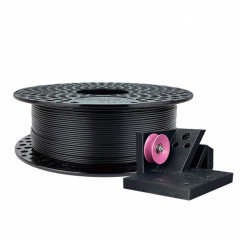
Package contains: 1 x Centaur PP - Black - Formfutura
The item you receive may differ in some features from the one shown in the photo, depending on the production batch. Despite this, functionality is maintained.
Qual è il materiale migliore per pezzi che devono stare all'esterno?
L'ASA è il materiale consigliato per l'uso esterno. A differenza dell'ABS, l'ASA è altamente resistente ai raggi UV, non ingiallisce e mantiene le sue proprietà meccaniche anche sotto l'esposizione diretta del sole e degli agenti atmosferici.
Perché la mia stampa in PETG presenta molti "fili" (stringing)?
Il PETG è un materiale molto viscoso. Per ridurre lo stringing, è fondamentale calibrare correttamente la temperatura di stampa e la distanza di ritrazione. Inoltre, assicurati che il filamento sia asciutto, poiché l'umidità assorbita peggiora drasticamente questo fenomeno.
Posso mescolare resine di marche diverse?
In generale è sconsigliato, poiché ogni resina ha tempi di esposizione e composizioni chimiche differenti. Mescolarle potrebbe portare a fallimenti di stampa o a una polimerizzazione incompleta del pezzo.
Come si smaltiscono i residui di resina 3D?
La resina liquida è considerata un rifiuto speciale. Non deve mai essere gettata negli scarichi domestici. È necessario polimerizzare i residui liquidi (esponendoli al sole o a lampade UV) fino a renderli solidi, dopodiché possono essere smaltiti seguendo le normative locali sui rifiuti plastici speciali.