
Worldwide express shipping

| Nozzle size: ≥ 0.15 mm | Height layer: ≥ 0.1 mm | Experience level: Expert |
| Print temperature: ± 200 - 230 °C * | Fan speed: 0 - 30% | |
| Heated plate: ± 65 - 75 °C | Closed chamber: Not required |
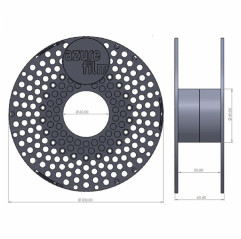
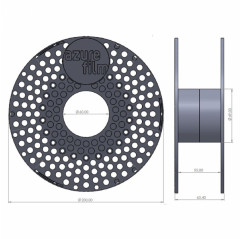
| ρ: 1.14 g/cc | Spool 50 g | Spool 0.3 kg | Spool 0,75 kg |
| Ø 1.75 mm | ± 18,2 m | ± 109 m | ± 274 m |
| Ø 2.85 mm | ± 6,9 m | ± 41 m | ± 103 m |
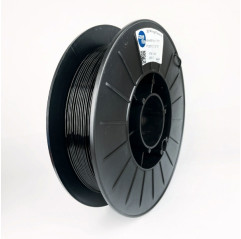
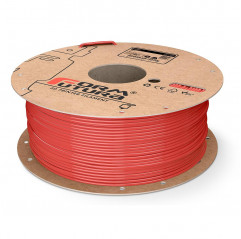
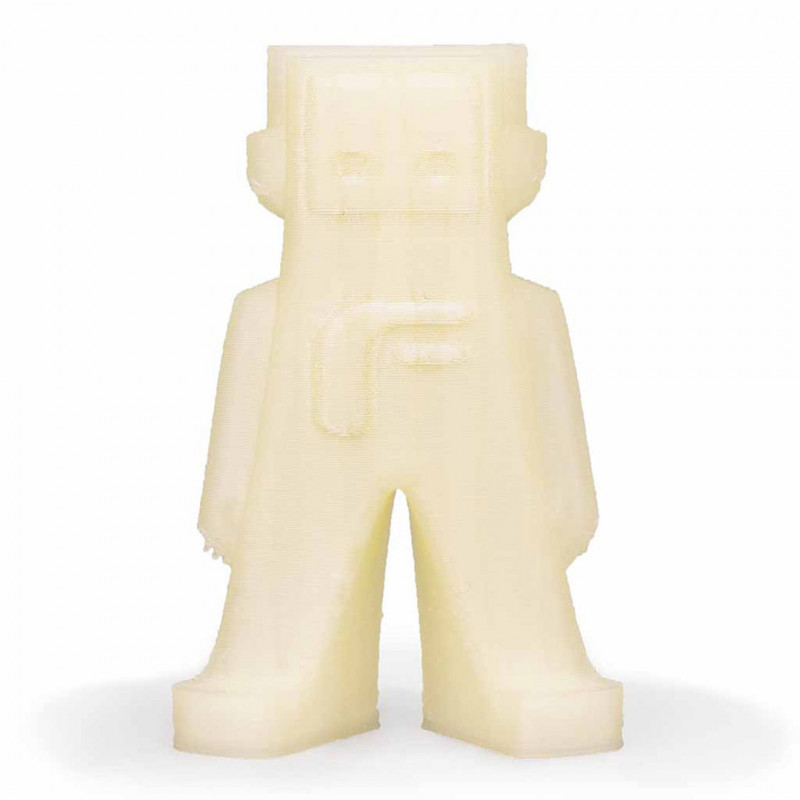
Package contains: 1 x BVOH - Formfutura
For further information please contact us.
The item you receive may differ in some features from the one shown in the photo, depending on the production batch. Despite this, functionality is maintained.
L'ASA è il materiale consigliato per l'uso esterno. A differenza dell'ABS, l'ASA è altamente resistente ai raggi UV, non ingiallisce e mantiene le sue proprietà meccaniche anche sotto l'esposizione diretta del sole e degli agenti atmosferici.
Il PETG è un materiale molto viscoso. Per ridurre lo stringing, è fondamentale calibrare correttamente la temperatura di stampa e la distanza di ritrazione. Inoltre, assicurati che il filamento sia asciutto, poiché l'umidità assorbita peggiora drasticamente questo fenomeno.
In generale è sconsigliato, poiché ogni resina ha tempi di esposizione e composizioni chimiche differenti. Mescolarle potrebbe portare a fallimenti di stampa o a una polimerizzazione incompleta del pezzo.
La resina liquida è considerata un rifiuto speciale. Non deve mai essere gettata negli scarichi domestici. È necessario polimerizzare i residui liquidi (esponendoli al sole o a lampade UV) fino a renderli solidi, dopodiché possono essere smaltiti seguendo le normative locali sui rifiuti plastici speciali.