Wiring is one of the least visible but most critical aspects of a 3D printer or CNC machine. An inadequate connector can cause parasitic resistance, overheating, intermittent breaks and in the worst cases fires. In this guide we look at the main connectors used in 3D printing, their specifications and when to use each type.
Connectors for signals and sensors
JST-XH (2.5 mm pitch)
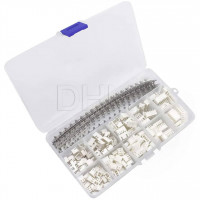
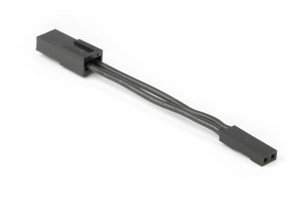
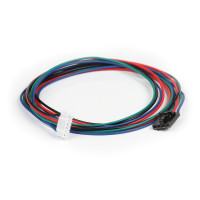
JST-XH connectors are the standard for connections of temperature sensors (thermistors), endstops, filament sensors and low-power fans. They are compact, reliable and easy to crimp. The boards Duet3D, BTT and most mainboards use them extensively. Maximum current: 3A per contact. Available from 2 to 12 pins.
Dupont (2.54 mm pitch)
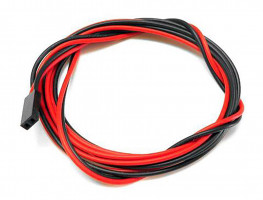
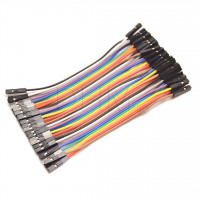
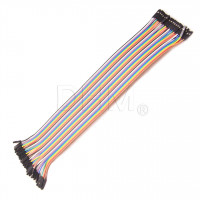
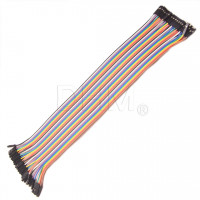
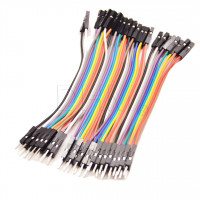
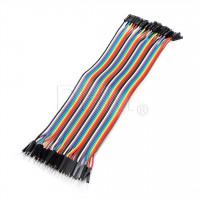
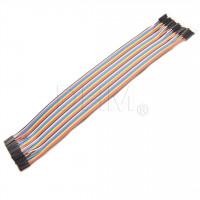
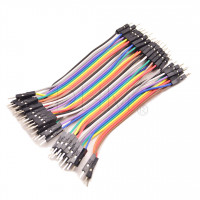
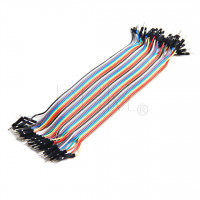
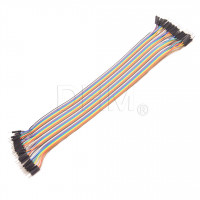
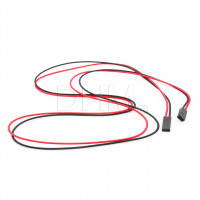
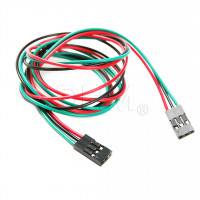
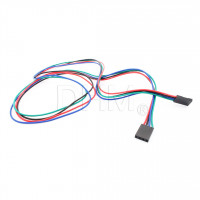
Dupont connectors are ubiquitous in the Arduino world and in prototyping. Practical for testing and breadboards, but not ideal for permanent installations as they tend to disconnect under vibration. For 3D printers they are acceptable for signals, but not recommended for power supplies.
Molex Micro-Fit 3.0 (3.0 mm pitch)
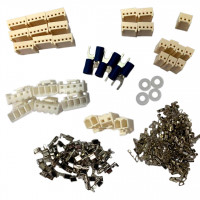
Molex Micro-Fit are industrial quality connectors with positive (click) engagement that prevents accidental disconnection. Maximum current: 5A per contact. They are the professional choice for motors stepper, power fans and reliable point-to-point connections. The boards Duet3D use them for motor connections.
Power connectors
XT30 and XT60
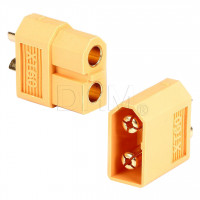
XT connectors originated in the world of FPV drones and quickly became popular in 3D printing due to their excellent current-to-size ratio. The XT30 supports up to 30A continuous and is ideal for connecting power to the control board. The XT60 supports up to 60A and is used for connecting the high-power hot plate. Both have gold-plated copper contacts and a shape that prevents reverse polarity.
Wago 221 (lever terminals)
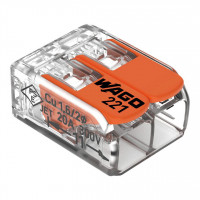
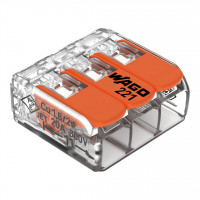
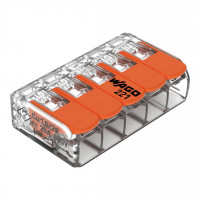
Wago 221 series terminal blocks are the safest and fastest solution for AC power connections (power supply input) and cable splices. They open and close with a lever, accept cables from 0.2 to 4 mm² and require no tools. They are certified for domestic and industrial use. Especially useful for connecting mains power to switching power supplies.
Terminals and crimping
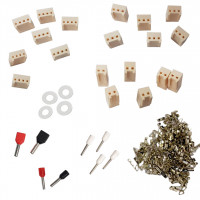
Professional wiring requires crimp terminals and a suitable crimping tool. Terminals for JST-XH and Molex Micro-Fit require specific pliers (such as the SN-01BM or SN-2549 available at DHM-online). Well-made crimping offers superior electrical contact to soldering, with the advantage of easy disassembly.
Summary table
|
Connector |
Pitch |
Max. current |
Typical use |
|
JST-XH |
2.5 mm |
3A |
Sensors, endstops, thermistors, fans |
|
Dupont |
2.54 mm |
3A |
Prototyping, Arduino, signals |
|
Molex Micro-Fit |
3.0 mm |
5A |
Motors stepper, power fans |
|
XT30 |
- |
30A |
Controller board power supply |
|
XT60 |
- |
60A |
Heated plate, high power |
|
Wago 221 |
- |
32A |
AC junctions, power supply |
|
Ferrule |
- |
Varia |
Cable termination on terminal blocks |
Practical tips for safe wiring
Never mix power connectors with signal connectors. Always use cables with the appropriate cross-section for the current (see AWG/mm² tables). Secure cables with cable ties and pigtails to prevent them from interfering with moving parts. Check all crimps with a gentle tug before installation. Never solder cables into XT connectors: soldering can create a stiff spot that breaks under repeated bending. Always use crimping.
Connectors and wiring at DHM-online
At DHM-online you will find the entire range of connectors for 3D and CNC printing: JST-XH, Molex Micro-Fit, XT30 and XT60, Wago 221, crimp terminals, crimping pliers, silicone cables, heat shrink tubing and spiral tubing. All Duet3D boards are supplied with connectors and terminals included.
Browse the Electronics and Wiring section to find everything you need.