Please note that our offices will be closed from May 29th to June 2nd. Orders placed after 12:00 PM on Thursday, May 28th will be processed starting Wednesday, June 3rd.
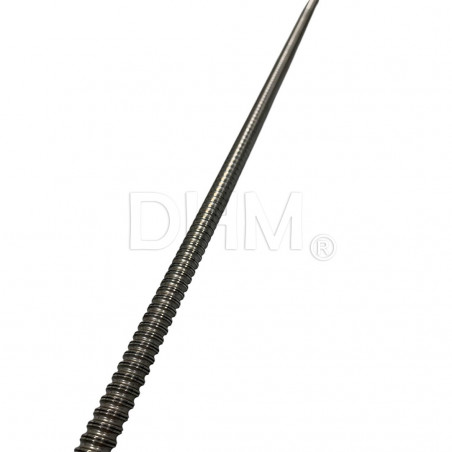
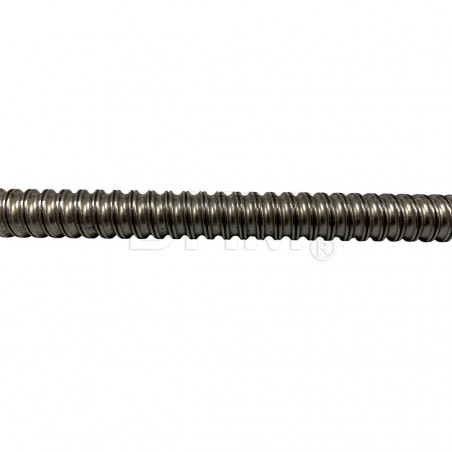
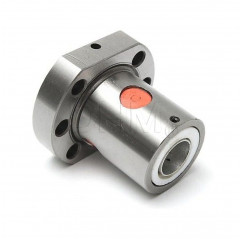
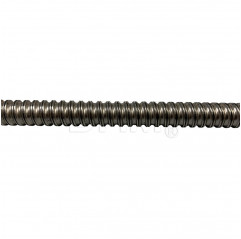
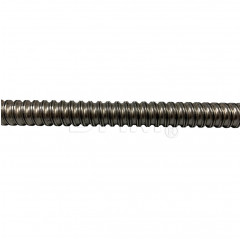
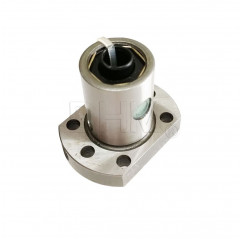
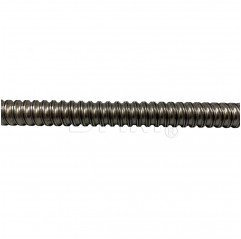
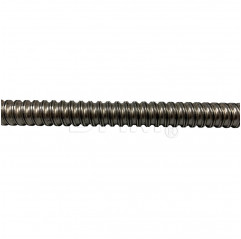
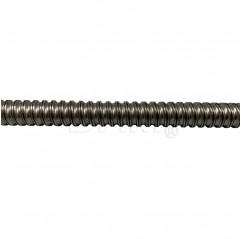
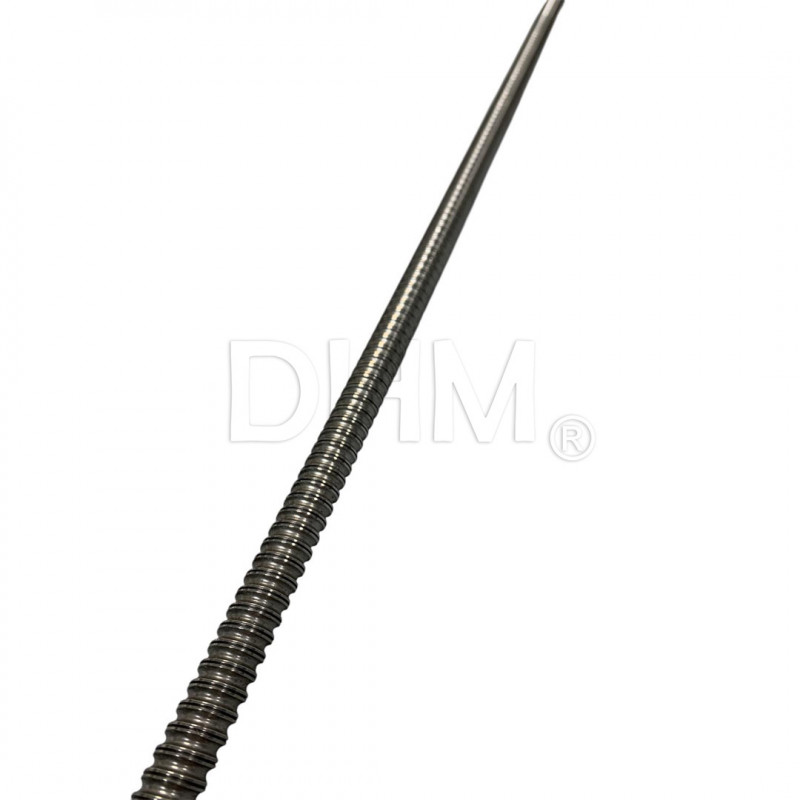
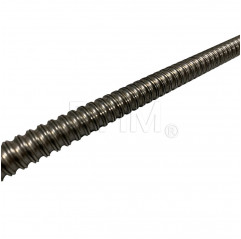
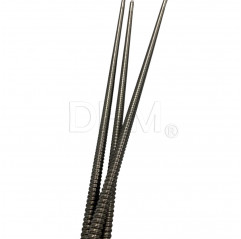
The SFU2005 100 cm ball screw is the key component for those seeking maximum efficiency in transforming rotary motion into linear motion. Thanks to the system of steel balls running between the threaded shaft and the nut, this mechanism almost totally eliminates sliding friction, replacing it with rolling friction.
Why choose the SFU2005 screw for your linear system?
Compared to common trapezoidal screws, the SFU2005 provides superior precision and much higher mechanical efficiency, making it ideal for:
CNC machines and laser engravers: For millimetre movements without backlash (reduced backlash).
High-End 3D Printers: To eliminate the 'z-wobble' phenomenon and achieve smooth surfaces.
Industrial Automation: Where reliability and wear resistance over time is required.
Assembly tips:
Handle with care when inserting the nut onto the screw. It is recommended not to remove the nut from the original support tube except during final installation on the screw, to avoid accidental release of the steel balls.
Please note:
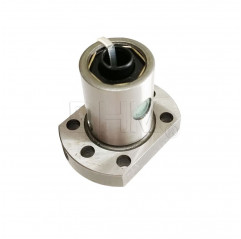
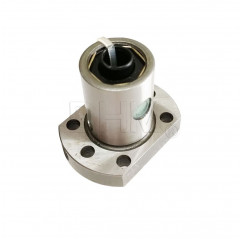
The nut (bushing) is not included in the package and must be purchased separately. You can find the compatible nut in our linear drive components section.
Material: High-strength steel with anti-wear surface treatment.
Advantages: High axial rigidity, quiet operation and long service life.
Ordering at DHM is easy
Select the required quantity and add to the shopping cart. Thanks to our optimised logistics, if products are in stock, we ship your components within 24/48h. Are you in doubt about the calculation of step/mm with the 16-tooth pulley or do you need verified measurements? Our technical support is at your disposal to guide you in choosing the best components for your project.
The item you receive may differ in some features from the one shown in the photo, depending on the production batch. Despite this, functionality is maintained.
Hello, I would like to know what precision these screws have.
The precision grade of the ball screws found in this category is C5.
Asked by: Daniele
Date: 2022-02-10 12:23:39
One would need to know the advance ratios ( one turn =?) in order to choose the right one.
Each screw has a descriptive name, e.g. SFU1204: The first three letters identify the type of nut-screw and its bushing to match, the first two digits the diameter the last two the pitch, and then from these then the relative advance for each model is derived. Here is a summary table:
12mm diameter
16mm diameter
1204--> 4mm pitch
1604--> 4mm pitch
1205--> 5mm pitch
1605--> 5mm pitch
1610--> 10mm pitch
Diameter 20mm
25mm diameter
2004--> 4mm pitch
2504--> 4mm pitch
2005--> 5mm pitch
2505--> 5mm pitch
2510--> pitch 10mm
Since these leadscrews are single-principle, the pitch corresponds to the feed. So to know the linear feed at each turn of the screw you have to refer to the pitch itself of each individual model. For example with a 4mm pitch--> 4mm linear feed.
What is the difference between a ball screw and a trapezoidal screw? ...
The ball screw uses steel balls to reduce friction, offering greater precision, speed and durability. The acme screw is simpler and more economical, ideal for static loads or where very high positioning speed is not required.
How can I reduce the vibrations of my CNC machine? ...
The use of properly lubricated quality linear guides and the integration of elastic drive couplings can drastically reduce resonance and vibration, improving the finish of machined parts.
Do you offer assistance in the selection of mechanical components? ...
Of course. Our technical team is available to assess your project specifications and recommend the most suitable materials and components for the intended workload.