Weltweiter Expressversand
- My DHM
- +Produkte
- +Mechanische Komponenten
- +Strukturprofile und Zubehör
- +Hardware und Schrauben
- +Industriematerial
- +Robotik und Automatisierung
- Kraftfahrer
- Relais und Schalter
- Netzteile
- Module und Kartenerweiterungen
- Fans
- Teile für Karten
- Kontrollkarten
- Arduino-Boards
- Integrierte Computer und Entwicklungsboards
- Spione und Warnlichter
- Duet 3D
- Arduino-kompatibel
- Optoelektronik
- Passive Bauteile
- Wärmemanagement
- Videoüberwachung
- Sensoren
- Akkus und Ladegeräte
- Halbleiter
- PCB-Prototyping
- Motoren
- Datenspeicherung und Konnektivität
- CNC-Maschinen
- +Elektrische Ausrüstung
- +Extrudergruppe - 3D-Druck
- +Plan drucken - 3D-Druck
- +Filamente und 3D-Harze
- PLA
- Spezielle PLA
- Geladen
- PETG
- Co-Polyester
- PP - Polypropylen
- Radiergummi
- PA - Polyamid
- ASA
- ABS
- Spezial-ABS
- PC - Polycarbonat
- PVA und unterstützt
- HIPS
- SKIN contact
- PEI - Polyetherimid
- PMMA
- PPSF & PSU - Polyphenylsulfon
- Zubehör - Filamente
- PELLETS
- Harze
- Marken Filamente und 3D-Harze
- PEKK & PEEK
- PE - Polyethylen
- PVDF - Polyvinylidenfluorid
- ESD-Safe
- PACKS
- +3D Drucker
- +Maßgeschneiderte Arbeiten und Bausätze
- Geschenkkarten
- CLEARANCE
- Herstellers
- DHM-Onlinedienste
- Neue Artikel
- Angebote
- Meine Projekte
- Blog
- Kontakt
- Hilfe
- Artikeldetails
- Beschreibung
Adviced 3d printing temperature:
235C-255C
Adviced 3d print speed:
30 - 50 mm/s
Advised Heated bed (if you have one, not strictly necessary):
70-80C
Cooling fan
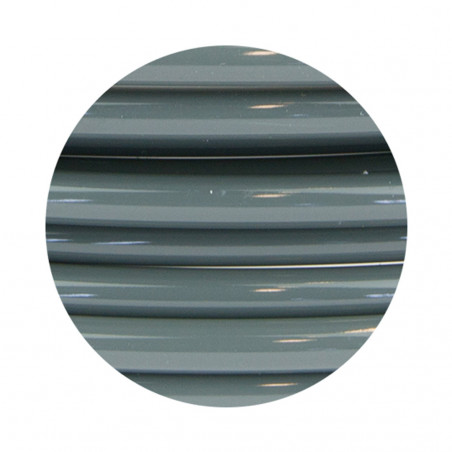
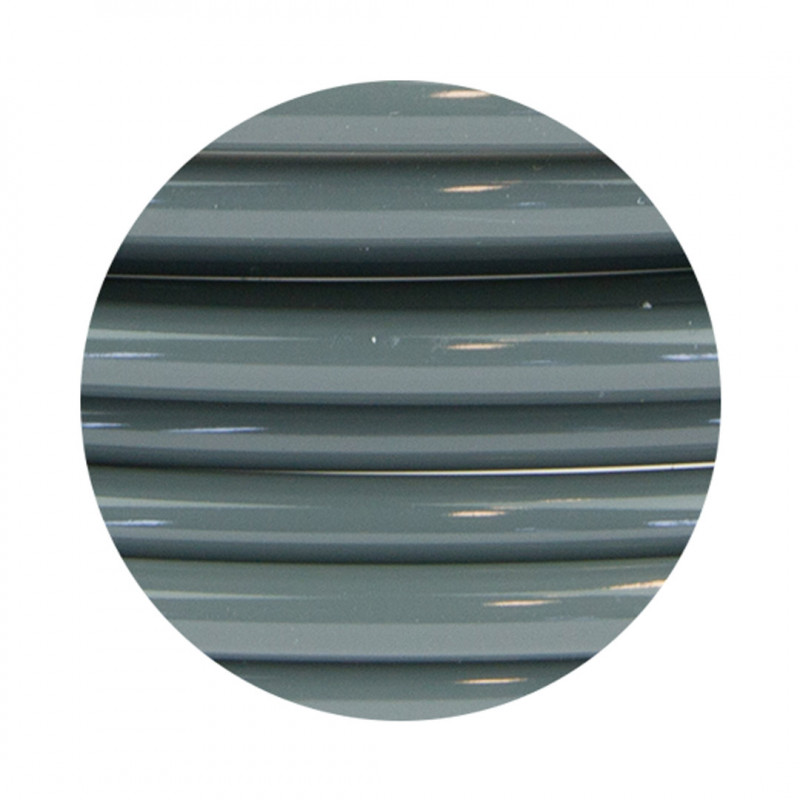
75/100% fan cooling for best aesthetics, this gives best performance on overhangs and small details. For best mechanical performance try printing with the least amount of cooling needed, for optimal layer adhesion. - Read moreMaterial: Colorfabb PETG Economy Diameter Tolerance: ± 0.1 mm Density: 1.28 g/cm3 Glass Transition Temperature: 70C
- Questions(FAQs)
L'ASA è il materiale consigliato per l'uso esterno. A differenza dell'ABS, l'ASA è altamente resistente ai raggi UV, non ingiallisce e mantiene le sue proprietà meccaniche anche sotto l'esposizione diretta del sole e degli agenti atmosferici.
Il PETG è un materiale molto viscoso. Per ridurre lo stringing, è fondamentale calibrare correttamente la temperatura di stampa e la distanza di ritrazione. Inoltre, assicurati che il filamento sia asciutto, poiché l'umidità assorbita peggiora drasticamente questo fenomeno.
In generale è sconsigliato, poiché ogni resina ha tempi di esposizione e composizioni chimiche differenti. Mescolarle potrebbe portare a fallimenti di stampa o a una polimerizzazione incompleta del pezzo.
La resina liquida è considerata un rifiuto speciale. Non deve mai essere gettata negli scarichi domestici. È necessario polimerizzare i residui liquidi (esponendoli al sole o a lampade UV) fino a renderli solidi, dopodiché possono essere smaltiti seguendo le normative locali sui rifiuti plastici speciali.
6 Ähnliche Produkte
Zu Ihrem Projekt hinzugefügt
Entfernt aus Ihrem Projekt
Zu Ihrem Projekt hinzugefügt
Entfernt aus Ihrem Projekt
Zu Ihrem Projekt hinzugefügt
Entfernt aus Ihrem Projekt
Zu Ihrem Projekt hinzugefügt
Entfernt aus Ihrem Projekt
Zu Ihrem Projekt hinzugefügt
Entfernt aus Ihrem Projekt

- Images